Captain America Inspired Home Staging Tips for Strength Resilience and Teamwork
- 7 days ago
- 14 min read
A well-staged home does what Captain America does best: it stands tall, earns trust, and helps people picture a better future.
That may sound like a playful comparison, but it works. Captain America is more than a superhero with a shield. He represents strength under pressure, resilience after setbacks, and teamwork in the moments that matter most. Those same qualities can guide home staging in a practical, buyer-friendly way.
Home staging is not about hiding flaws or filling rooms with random decor. It is about helping a home show its best self. A strong room feels grounded. A resilient room adapts to real life. A team-minded room supports the way people gather, rest, cook, work, and move through the day.
When staging uses those ideas well, the result feels calm, capable, and welcoming. Buyers do not have to work hard to understand the home. They walk in and sense that the space is ready for them.

Strength begins with a clear first impression
Captain America’s strength is not loud for the sake of being loud. It is steady, focused, and reliable. Strong home staging works the same way.
A strong first impression tells buyers, “This home has been cared for.” It starts before they study the floor plan or count the closets. It begins at the curb, the entryway, and the first room they see.
The goal is not to overwhelm. The goal is to create confidence.
Make the entry feel ready for arrival
The entryway sets the emotional tone. Even a small foyer can feel polished with the right choices.
Start by clearing anything that suggests daily clutter. Shoes, bags, mail, pet items, and extra coats may be normal in real life, but they distract buyers during a showing. Then add a few practical pieces that make the area feel complete.
Good entry staging can include:
A clean doormat in good condition
A simple console table if space allows
A mirror to reflect light
One bowl, tray, or small vase
A warm lamp or wall sconce
A bench only if it does not block traffic
Think of the entry as the home’s handshake. It should feel open, clean, and composed.
If the front door has scuffs, repaint it. If the hardware looks tired, polish or replace it. These updates are small compared with renovations, but they can make the home feel stronger before buyers even step inside.
Anchor each room with one clear purpose
Strength comes from clarity. A staged room should not make buyers ask, “What is this space supposed to be?”
Mixed-use rooms are common, especially in homes where life has changed over time. A dining room may also hold fitness gear. A guest room may double as storage. A finished basement may contain toys, boxes, tools, and an old sofa. Buyers understand that people live busy lives, but they still need a simple visual story.
Choose one main purpose for each room:
A dining room should show dining.
A bedroom should show rest.
A living room should show gathering.
A home office nook should show focused work.
A bonus room should show flexible use without feeling chaotic.
This does not mean every room has to be formal. A casual breakfast corner can be more appealing than a stiff dining setup. A cozy family room can beat a showroom-style space. The key is intention.
If a room has to show more than one function, separate the zones. Use rugs, furniture placement, lighting, and clear walking paths. A guest room with a small writing desk can work if the bed remains the star. A living room with a reading corner can feel rich and useful if the pieces are scaled well.
Use strong lines and balanced furniture placement
Captain America’s shield works as a symbol because it is simple, balanced, and unmistakable. In staging, strong visual structure has a similar effect.
Furniture placement should help the space feel stable. When furniture crowds walls or leaves awkward gaps, the room can feel unsettled. A better approach is to create conversation areas, frame focal points, and preserve traffic flow.
In a living room, try this:
Place the sofa where it naturally faces the room’s best feature.
Add chairs to support conversation, not block movement.
Use a coffee table that fits the scale of the seating.
Keep side tables within reach if possible.
Leave enough space for people to walk through comfortably.
Strong staging also avoids the “everything pushed against the wall” look when the room allows for better placement. Floating a sofa a bit closer to the center can make a large room feel more intentional. In a smaller room, removing one bulky chair may do more than adding extra decor.
Strength in staging often means restraint. Remove what weakens the room, then let the best features stand out.
Resilience shows buyers the home can handle real life
Resilience is one of Captain America’s defining traits. He gets knocked down, adapts, and keeps going. In home staging, resilience is about presenting a home as durable, flexible, and easy to live in.
Buyers are not only looking at beauty. They are wondering how the home will work during busy mornings, quiet evenings, holidays, remote work days, and unexpected messes. Staging should help them see that the home can meet those moments.
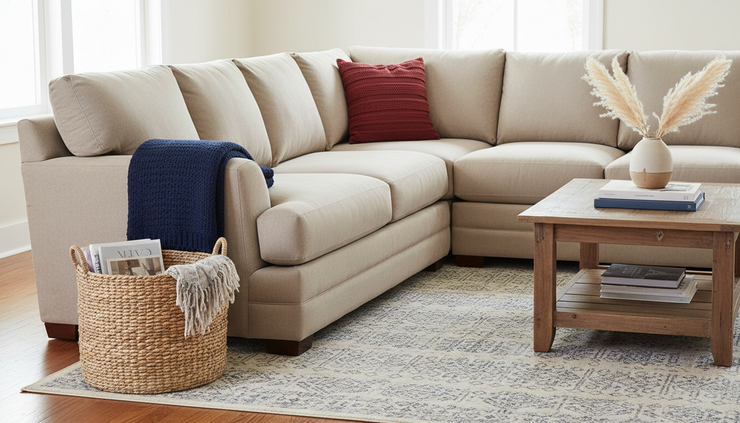
Choose materials that look livable
A room can be beautiful and still feel fragile. If buyers worry that every surface will stain, scratch, or require constant upkeep, the home may feel less inviting.
Resilient staging uses materials that suggest comfort and durability:
Performance-style fabrics or textiles that look easy to maintain
Washable-looking cotton or linen bedding
Natural wood tones that hide minor wear better than high-gloss finishes
Woven baskets for tasteful storage
Area rugs that define spaces and add warmth
Simple window treatments that soften light without feeling fussy
This matters most in family rooms, kitchens, dining areas, kids’ rooms, guest rooms, and outdoor spaces. Buyers want to imagine living in the home, not tiptoeing through it.
The best staged spaces say, “This room can handle life and still look good.”
Repair the small signs of wear
Resilience does not mean pretending age does not exist. It means showing that the home has been maintained.
Small imperfections can create big doubts. A buyer may see a loose cabinet pull and start wondering what else has been neglected. A scuffed baseboard, a stained carpet edge, or a flickering bulb can distract from bigger strengths.
Before staging, walk through the home with a notepad and look for fixable issues:
Touch up paint where walls are marked.
Replace burned-out bulbs.
Tighten handles and knobs.
Clean vents and switch plates.
Re-caulk where needed.
Repair loose trim.
Remove stains from rugs or upholstery.
Replace cracked outlet covers.
These details may seem minor, but they support trust. A cared-for home feels stronger and more resilient.
Stage flexible spaces with a clear Plan A
Many homes have flex spaces: lofts, dens, alcoves, spare bedrooms, basements, sunrooms, and wide landings. These areas can be full of potential, but potential needs guidance.
The mistake is trying to show every possible use at once. A flex room filled with a desk, treadmill, play kitchen, storage bins, and a guest bed may be honest, but it is visually confusing.
Instead, stage the room around one primary use and hint at flexibility.
A spare bedroom can become:
A guest room with a slim desk
A home office with a sleeper sofa
A nursery with a comfortable chair
A hobby room with neat storage
A finished basement can become:
A media room
A game room
A fitness area
A casual guest suite
Pick the version that fits the home, the neighborhood, and the likely buyer. A downtown condo may benefit from a polished work-from-home setup. A suburban home near schools may show well with a family-friendly bonus room. A smaller home may need a guest room that also suggests office use.
The room should answer one question quickly: “How would I use this space?”
Teamwork makes every room support the whole home
Captain America is strong on his own, but many of his best moments happen with a team. Home staging also depends on teamwork. Every room has a role, and those roles should connect.
A beautiful bedroom cannot carry a cluttered kitchen. A charming living room cannot fully make up for a confusing dining area. The home has to feel like one story, not a set of unrelated scenes.
Build a consistent color story
A cohesive color palette helps rooms work together. That does not mean every wall, pillow, and rug must match. It means the home should feel connected as buyers move from room to room.
A Captain America-inspired palette could easily go too literal, especially with bright red, white, and blue everywhere. For staging, use a more refined version:
Warm whites instead of stark white
Navy instead of bright blue
Muted red or rust in small doses
Natural wood tones for warmth
Matte black or brushed metal for contrast
The key is balance. Navy pillows in the living room, a soft blue runner in the hallway, and a muted red vase in the dining room can create a subtle thread. Avoid themed decor, comic-style art, or anything that makes the home feel like a fan display.
Buyers need to remember the home, not the theme.
Let rooms pass the baton
In a good team, one person’s work sets up the next person’s success. In a staged home, each room should lead naturally to the next.
Think about the path a buyer takes during a showing. They may enter through the front door, move into the living room, step into the kitchen, look outside, then view bedrooms and bathrooms. Each transition should feel easy.
Ways to improve flow include:
Keeping walkways open
Repeating materials or colors in nearby rooms
Using similar light temperatures throughout the home
Aligning furniture so it does not block doorways
Removing bulky pieces from tight transitions
Keeping flooring transitions clean and visible
If buyers have to squeeze around furniture or step over cords, the home feels less functional. If the dining area feels disconnected from the kitchen, they may question how entertaining would work. If a hallway is dark, it can make bedrooms feel less inviting before buyers even enter them.
Teamwork in staging means each area supports the next impression.

Use scale so every piece does its job
Teamwork fails when one piece dominates the room. Oversized sectionals, heavy dressers, tall bookcases, and large coffee tables can make spaces feel smaller than they are.
Before adding decor, check scale. Ask whether each item supports the room’s purpose.
Strong staging often means removing:
One extra chair
A second dresser
Oversized nightstands
Too many bar stools
Large storage pieces
Extra side tables
Decor that blocks windows or sightlines
This is where editing becomes powerful. A room can feel larger, brighter, and more functional simply because fewer pieces are competing.
The same rule applies to art and accessories. One large piece of art may feel calmer than several small frames. A pair of lamps may create better balance than mismatched lighting. A single bowl on a kitchen island may photograph better than a collection of appliances.
Every item should earn its place on the team.
Create inviting spaces that feel heroic without feeling theatrical
A home inspired by Captain America’s values should not look like a movie set. It should feel brave, warm, and human.
Inviting staging appeals to the senses. It uses light, space, texture, and small signs of hospitality. Buyers should feel comfortable entering rooms, pausing, and imagining a routine there.
Warm up the living room
The living room often carries the emotional weight of the home. It is where buyers picture relaxing, hosting friends, watching movies, and spending quiet time.
To make it inviting:
Use soft textiles such as throws and pillows.
Keep seating arranged for conversation.
Add a rug if the room feels echoey or cold.
Open curtains and clean windows.
Remove personal collections and excess family photos.
Add one or two simple decorative objects with texture.
A living room does not need to be large to feel welcoming. A small room can feel strong if it is well-edited. A large room can feel warm if the seating is grouped well and the lighting is layered.
Avoid turning the room into a catalog display. A slightly relaxed throw, a stack of neutral books, and a healthy plant can make the space feel real without feeling messy.
Make the kitchen feel capable
If the living room carries emotion, the kitchen carries daily function. Buyers want to know whether the kitchen can handle weekday meals, coffee routines, lunch prep, and gatherings.
A staged kitchen should feel clean, capable, and easy to use. Clear most countertops. Leave only what adds warmth or suggests function.
Good options include:
A bowl of fresh fruit
A simple cutting board
A clean coffee station
A small vase with greenery
Matching towels
One attractive cookbook on a stand
Remove magnets, paper piles, dish soap clutter, extra appliances, and worn sponges. Clean cabinet fronts, polish hardware, and make sure the sink shines.
If the kitchen is small, do not overdecorate it. Empty counter space is valuable. It helps buyers see workspace, which matters more than accessories.
If the kitchen is large, use staging to show zones. A tray near the coffee maker can suggest a morning routine. Place settings at the island can show casual dining. A clean runner can add warmth if it does not become a trip hazard.
Help bedrooms feel restful and protected
Captain America’s strength includes restraint and calm. Bedrooms should reflect that. They need to feel like places where people can recover from the day.
Start with the bed. Use smooth bedding, full pillows, and a simple color palette. The bed should look comfortable, not stiff. Keep nightstands clear except for a lamp, a book, or a small vase.
A strong bedroom staging plan includes:
Matching or coordinated lamps
Neutral bedding with one accent color
Clear floors
Clean closets
Minimal personal items
Soft lighting
Window treatments that look fresh and functional
Closets deserve attention too. Buyers open them. Overstuffed closets suggest a lack of storage, even when the home has plenty. Remove off-season clothes, extra hangers, boxes, and anything stored on the floor. Leave breathing room between items.
A bedroom should tell buyers, “You can rest here.”
Emphasize functionality in every staged decision
Functionality is where superhero values become practical staging choices. Strength is not only visual. Resilience is not only emotional. Teamwork is not only about color flow. All three show up in how well the home works.
Functional staging helps buyers answer everyday questions:
Where would I put my keys?
Where would guests sit?
Can I cook here comfortably?
Is there enough storage?
Where would I work?
Does this room fit my furniture?
Can people move through the home with ease?
If staging does not answer those questions, beauty alone may not be enough.
Keep traffic paths clear
A room can have beautiful furniture and still fail if it is hard to move through. Walk the route buyers will take. Move from the entry to the living area, kitchen, bathroom, bedrooms, and outdoor spaces.
Notice where your body hesitates. Those spots need attention.
Common traffic problems include:
Chairs pulled too far into walkways
Coffee tables too close to sofas
Beds blocking closet access
Dining chairs crowded against walls
Bar stools sticking out into paths
Plants or baskets placed in corners where people turn
A staged home should feel easy to explore. Buyers should not have to think about how to move through it.
Show storage without filling it
Storage is one of the most practical features a home can offer. Staging should show that storage exists and that it works.
The best way to stage storage is to reduce what is inside it. A half-full closet looks more useful than a packed one. A pantry with neat spacing looks larger than a pantry filled edge to edge. A garage with clear zones feels more valuable than one stacked with mystery boxes.
Try this approach:
Group similar items together.
Use matching bins only where they help.
Keep shelves partly open.
Remove anything stored in front of access panels.
Clear the floor where possible.
Label storage only if labels look clean and simple.
This is not about perfection. It is about making storage easy to understand.
Stage outdoor areas as usable rooms
Outdoor spaces can add real appeal when staged well. A front porch, balcony, patio, deck, or small yard should feel like part of the home’s living area.
Keep it simple. Clean surfaces, trim overgrowth, remove broken planters, and arrange seating in a way that suggests use.
A small balcony might need only two chairs and a small table. A patio might benefit from a dining setup or a pair of lounge chairs. A porch could feel more welcoming with a bench, clean cushions, and one healthy plant.
Outdoor staging works best when it matches the scale of the space. Too much furniture can make an outdoor area feel cramped. Too little can make it feel ignored.

Bring in subtle Captain America energy without overdecorating
The title promises Captain America-inspired ideas, but inspiration should not become imitation. The best connection comes from values, not props.
A shield on the wall, bright comic art, or a full red-white-and-blue theme may appeal to a specific fan, but it can distract buyers. Home staging usually works best when it speaks to many people at once.
Use the spirit of the character in quieter ways.
Reflect strength through structure
Use symmetry, grounded furniture, and clean lines. A pair of lamps, a centered bed, a balanced seating group, or a strong dining table can all create a sense of order.
Strength can also come from contrast. Dark hardware on light cabinets, navy accents on a neutral sofa, or a black-framed mirror in an entry can make a room feel more defined.
Reflect resilience through comfort
Choose pieces that look livable. Add softness without clutter. Show rooms that can handle pets, kids, guests, workdays, and slow weekends.
Resilience is also about readiness. A home that is clean, repaired, and easy to understand feels ready for its next chapter.
Reflect teamwork through cohesion
Repeat colors, textures, shapes, and finishes. Let each room feel distinct, but connected. The kitchen does not need to match the bedroom. The living room does not need to copy the dining room. They simply need to feel like they belong in the same home.
A simple palette can do much of the work. Warm neutrals, natural textures, navy accents, and small touches of muted red can create a subtle patriotic nod without becoming costume-like.
Build a staging checklist around the three values
When a staging plan starts to feel complicated, bring it back to the three values. Strength, resilience, and teamwork can act as a practical checklist for every room.
Strength
Does the room have a clear purpose?
Is the furniture balanced?
Is the focal point easy to see?
Have distracting items been removed?
Resilience
Does the room feel livable and well cared for?
Are small repairs handled?
Does the space support daily routines?
Are storage areas neat and useful?
Teamwork
Does the room connect with the rest of the home?
Do colors and materials repeat naturally?
Is traffic flow clear between rooms?
Does every item support the whole impression?
Use this checklist before photos, showings, or open houses. Walk room by room and answer honestly. If a room feels weak, confusing, or disconnected, the checklist will usually reveal why.
A simple room-by-room staging plan
For the living room, focus on seating, light, and flow. Remove extra furniture, create a conversation area, and use soft accents.
For the kitchen, focus on cleanliness and workspace. Clear counters, polish surfaces, and add one or two warm details.
For bedrooms, focus on rest. Make the bed the focal point, reduce personal items, and stage closets lightly.
For bathrooms, focus on freshness. Use clean towels, remove daily products, and check grout, mirrors, lighting, and fixtures.
For dining areas, focus on scale. Use a table that fits the room, limit the centerpiece, and make sure chairs do not crowd the space.
For outdoor areas, focus on use. Show a clear reason to spend time there, even if the area is small.
This approach keeps staging grounded. It also prevents one of the most common mistakes: decorating before solving function.
Keep learning if staging is more than a one-time project
Some people stage one home before selling. Others discover they enjoy the process and want to build stronger skills. Home staging blends design, psychology, real estate awareness, styling, and practical problem-solving. It rewards people who keep learning.
For readers who want to sharpen their staging eye, the courses available at Sumptuoza are a useful place to explore training options. A course can help turn instinct into a repeatable process, especially when learning how to prepare rooms for photos, showings, and different buyer expectations.
The best stagers do more than make rooms pretty. They understand how buyers move, what they notice, what distracts them, and what helps them feel at home.
The heroic version of home staging is practical, not flashy
Captain America-inspired staging does not require superhero decor. It asks for something better: rooms that feel strong, adaptable, and connected.
Strength gives each space purpose. Resilience shows the home can handle real life. Teamwork makes every room support the next. Together, those values create a home that feels trustworthy, welcoming, and ready.
Before the next showing, walk through the property with those three words in mind. If a room feels unclear, give it strength. If it feels fragile or worn, build resilience. If it feels disconnected, bring it back to the team.
That is how a home starts to feel less like a listing and more like a place someone can imagine choosing.


