Home Staging Magic Inspired by Harry Potter Enchanting Spaces That Wow
- Aug 18
- 9 min read
A buyer steps through the front door, and in a few seconds the house either feels like a possibility or just another listing. That tiny moment is where home staging earns its wand.
The Harry Potter series understands this feeling beautifully. A door opens, a room glows, a staircase shifts, a table fills with candles, and ordinary life suddenly feels charged with story. Great staging can do something similar, without floating furniture or a sorting hat on the mantel.
The goal is not to turn a home into a theme park. A staged home still needs to feel livable, stylish, and broad enough for many buyers. The magic comes from atmosphere. A little mystery in the entry. Warmth in the dining room. Personality in the details. A sense that each room has a purpose and a pulse.
Here is how the wizarding world can inspire creative, enchanting home staging ideas that feel polished, memorable, and buyer-friendly.

Start with a doorway that feels like crossing into another world
In Harry Potter, thresholds matter. Brick walls, great doors, hidden passages, train platforms, and castle gates all signal that something wonderful is about to happen.
In home staging, the entry works the same way. It sets the spell.
A tired foyer can make the rest of the home feel flat before buyers even reach the living room. A thoughtful entry gives them a cue to slow down and look closer.
Try these staging moves:
Add a strong focal point
A round mirror, a narrow console, a sculptural lamp, or a single piece of art can anchor the space.
Use warm lighting
Soft bulbs, lantern-style fixtures, or a table lamp can make the entry feel welcoming rather than exposed.
Create a small ritual
A bowl for keys, a woven basket, a bench, or a row of hooks tells buyers, “Life works well here.”
Keep the palette intentional
Deep navy, warm cream, muted green, charcoal, or soft taupe can feel more magical than plain white when used with restraint.
For a Harry Potter-inspired touch, think of the feeling of arriving at Hogwarts for the first time, not the literal set design. You want grandeur scaled to the home. A carved mirror, an arched hallway, an old trunk, or a vintage-style runner can add just enough mystery.
The key is to make the entry feel like a beginning.
Use color like a house scarf, not a costume
The wizarding world is rich with color. Scarlet and gold, emerald and silver, blue and bronze, yellow and black. These combinations are bold because they tell you something about identity, mood, and belonging.
Home staging also uses color to shape emotion. The trick is to avoid going too literal. A room painted floor to ceiling in Gryffindor red may delight one buyer and scare off another. Instead, borrow the logic of the colors.
Deep, layered colors can help a home feel grounded and refined. Use them in accents that are easy to understand and easy to remove.
Good places to add color include:
Throw pillows
Art
Rugs
Books
Bedding
Drapery
Vases
Table linens
Accent chairs
A living room with cream walls, a worn leather chair, moss green pillows, brass lamps, and a burgundy throw can feel magical without shouting for attention. A bedroom with soft gray bedding, navy accents, and warm wood can feel like the quiet side of Ravenclaw tower.
Color should guide the eye. It should not grab the buyer by the robe sleeve.
The best staging detail is the one buyers remember without feeling distracted by it.
If a room already has bold paint or dramatic tile, let that be the spell. Keep the surrounding pieces calm, so the home feels designed rather than decorated in a hurry.
Create common-room comfort in the living room
The common rooms in the Harry Potter universe are cozy because they feel gathered over time. There are chairs, books, fireplaces, lamps, cushions, and the suggestion that many conversations have happened there.
That is exactly the feeling a staged living room needs. Buyers want to imagine movie nights, quiet mornings, family visits, and rainy afternoons. They need to see where life happens.
Start with the seating. Arrange furniture so it invites conversation. Sofas and chairs should face each other or angle toward a clear focal point. If there is a fireplace, make it the star. If there is no fireplace, create a focal point with art, a console, or a large mirror.
Then layer in comfort.
Use texture to make the room feel full without clutter:
Wool or woven throws
Velvet or linen pillows
A natural fiber rug
A wood tray
Ceramic bowls
A stack of hardcover books
Brass, bronze, or matte black accents
Books are especially useful. They bring intelligence and warmth to a room. Choose neutral spines, classic covers, or a simple color story. Avoid filling shelves with too many personal items, collectibles, or anything polarizing.
If you want a subtle wizarding nod, add one beautiful old book open on a side table, a feather in a vase, or a small brass hourglass. These details feel enchanting but still elegant.
The living room should whisper, “Stay a while.”

Make the dining room feel like a feast could happen
One of the most memorable images from the Harry Potter series is the great hall filled with long tables, glowing candles, and food that seems to appear by magic. For staging, the lesson is simple: dining spaces should feel generous.
That does not mean over-setting the table. A full formal place setting can look stiff, especially in everyday homes. Instead, create the feeling of welcome.
A staged dining table might include:
A linen runner
A low bowl of fruit
A cluster of candlesticks
Simple plates in a neutral color
Cloth napkins
A vase with seasonal branches
Keep centerpieces low enough that people can see across the table. Use odd numbers for groupings, such as three candlesticks or five small vessels. This creates movement without mess.
Lighting matters here. If the chandelier is too high or too dim, the room can feel forgotten. Hang fixtures at a comfortable height above the table, and choose bulbs that give a warm glow. Candlelight, real or flameless, adds instant charm for photos and showings.
A dining room should suggest celebration, even when the table is simple. Buyers should feel that birthdays, holidays, weeknight pasta, and late-night tea could all happen there.
Give bedrooms the hush of a hidden tower room
The best magical bedrooms feel tucked away. They are calm, layered, and private. Staging a bedroom with that same feeling can help buyers exhale.
Start with the bed. It should be the clear focal point. Use crisp bedding, plump pillows, and a throw folded at the foot. Keep patterns limited, especially in smaller rooms. A bed that looks restful will photograph better and feel more expensive.
Choose colors that feel soft but not dull:
Warm white
Oatmeal
Mist gray
Deep blue
Sage green
Dusty rose
Charcoal accents
Add symmetry where possible. Matching lamps or similar nightstands help the room feel balanced. If the room is small, use wall-mounted sconces or narrow tables to keep the floor open.
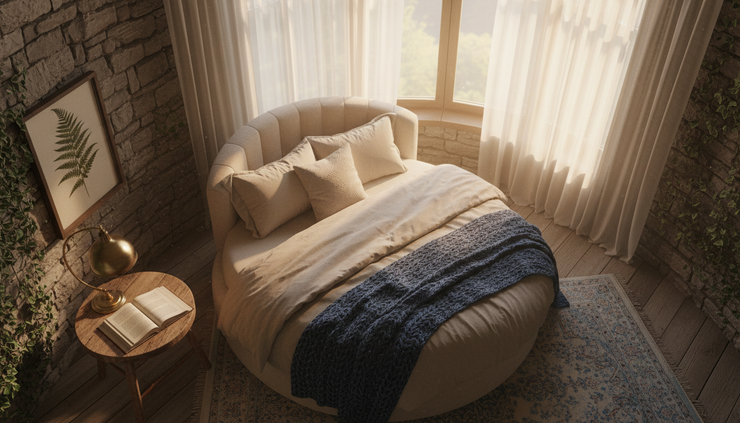
For a hint of Hogwarts atmosphere, think about gentle academic romance. A reading lamp. A framed botanical print. A small stack of books. A woven throw. Curtains that soften the window. These details create story without making the room feel childish.
Avoid too many magical props in bedrooms. Wands, broomsticks, and novelty décor can shift the focus away from the room’s best features. The buyer should remember the calm, not the merchandise.
Let kitchens feel like potion rooms, only cleaner
A kitchen can borrow the charm of a potion classroom without looking dark or dusty. Think glass, herbs, copper, stone, and order.
The kitchen is also one of the places where buyers look hardest. This room must feel clean, useful, and well cared for. Any magical styling should support that feeling.
Clear the counters first. Then add back only what helps the room feel alive.
Strong choices include:
A wood cutting board leaning against the backsplash
A small pot of rosemary or basil
Clear jars filled with pasta, oats, or tea
A ceramic utensil crock
A polished copper kettle
A bowl of lemons or apples
Fresh hand towels
Glass jars are especially good because they echo the potion-room idea while still feeling modern and practical. Keep them tidy, matching, and lightly filled. A row of mismatched containers can look busy in photos.
If the kitchen has open shelving, style it carefully. Mix everyday pieces with a few warm accents. White plates, clear glasses, wood bowls, and one small plant can feel calm and inviting.
The spell here is usefulness. Buyers should be able to imagine making coffee, packing lunches, simmering soup, or hosting friends without moving a mountain of décor.

Add wonder through lighting, reflection, and movement
Much of the magic in Harry Potter comes from things that glow, shimmer, float, or shift. In a real home, you can create a similar sense of wonder through lighting and reflection.
Good staging lighting uses layers. One overhead fixture rarely does enough. Rooms need several sources of light at different heights.
Use:
Floor lamps for corners
Table lamps for warmth
Picture lights above art or shelves
Under-cabinet lighting in kitchens
Candles or flameless candles for mood
Mirrors to bounce light into darker areas
Mirrors are especially helpful in staging. They can make a narrow hallway feel wider, pull light into a room, and add a sense of depth. Round mirrors feel soft and old-world. Tall mirrors can make ceilings feel higher. Antique-style mirrors add character, but keep them clean and simple.
Movement can also add life. A curtain that pools gently, a branch arrangement, or a mobile over a reading nook can make a space feel less static. Keep movement subtle. You want the room to feel enchanted, not busy.
Lighting is one of the most affordable ways to improve staging. Swap cold bulbs for warm white bulbs. Turn on every lamp before photos and showings. Open blinds. Let the home glow.
Curate shelves like a magical library
No Harry Potter-inspired staging plan is complete without a nod to the library. Bookshelves can make a home feel thoughtful, established, and personal in the best way. They can also become visual chaos if left unchecked.
Start by removing about half of what is on the shelves. This sounds harsh, but photos flatten rooms and make clutter look louder. Then rebuild with intention.
Mix books, objects, and breathing room.
A simple formula:
Stack a few books horizontally
Stand others vertically
Add one object on top of a stack
Leave open space around stronger pieces
Repeat colors in small ways
Good shelf objects include ceramic vases, framed art, small bowls, boxes, baskets, and sculptural pieces. Natural items like driftwood, stone, or dried flowers can soften the look.
For a magical feeling, include items that suggest curiosity. A magnifying glass, a star chart, a vintage clock, a glass orb, or a framed sketch can all work if they suit the home. Keep it tasteful. One intriguing object beats a shelf full of props.
Shelves should tell buyers that the home has room for hobbies, learning, quiet evenings, and personality.
Use scent and sound carefully
The wizarding world is sensory. You can almost smell the wood smoke, parchment, pumpkin pasties, and rain on stone. Real staging can use scent and sound too, but they require a light touch.
Scent should never feel like a cover-up. Heavy fragrance can make buyers wonder what is being hidden. Choose clean, natural scents and use them gently.
Good options include:
Fresh citrus
Cedar
Vanilla
Rosemary
Clean linen
Freshly brewed coffee
Skip strong plug-ins, sugary candles, and anything too perfume-like. If the home has odor issues, solve the source rather than masking it.
Sound can help during an open house if used quietly. Soft instrumental music may create warmth, but silence is often better for private showings. Buyers need room to think, talk, and listen to the house.
The sensory spell should be barely noticeable. It should support the mood, not announce itself.
Keep the magic buyer-friendly
There is a fine line between enchanting and distracting. The best magical staging feels elevated, not theatrical.
Before adding any whimsical element, ask three questions:
Does it highlight the room’s purpose?
Does it make the home feel more inviting?
Will most buyers understand it without explanation?
If the answer is no, leave it out.
A trunk at the foot of a bed can be charming and useful. A wall of faux spell books may be too specific. A brass lamp with a warm shade can feel timeless. A plastic owl on the kitchen island may feel like party décor.
Aim for suggestion over imitation. The Harry Potter series offers atmosphere, not a shopping list.
Learn the craft behind the charm
Magical staging may sound playful, but the strongest results come from skill. A well-staged room balances scale, color, traffic flow, photography, buyer psychology, and budget. The whimsy works because the structure underneath it is solid.
For readers who want to learn more about home staging techniques, Sumptuoza offers courses at https://www.sumptuoza.com/courses. Courses like these can help turn instinct into a repeatable process, from room planning to styling choices that work in real listings.
That matters whether staging one room, preparing a home for sale, or building a staging career. Creativity is more powerful when it has a method behind it.
The real spell is helping buyers imagine life there
Harry Potter’s world feels magical because every space has purpose. The great hall gathers people. The common room comforts them. The library invites discovery. The dormitory offers rest. Even the corridors feel like they are leading somewhere.
Home staging works the same way. Every room should answer a quiet question in the buyer’s mind: What could my life feel like here?
Use color to create mood. Use lighting to add warmth. Use books, texture, and natural materials to build character. Let the dining room feel generous, the bedroom restful, the kitchen useful, and the entry full of promise.
A home does not need floating candles to feel enchanted. It needs care, clarity, and a few well-placed sparks of wonder. When those pieces come together, buyers do more than tour the rooms. They begin to picture a future, and that is the most powerful magic of all.


