Home Staging Secrets from HGTV Saving the Manor TV Show

A room can have beautiful bones and still leave buyers unsure. The fireplace may be grand, the windows generous, and the ceiling height impressive, but if the space feels cold, crowded, or confusing, people struggle to picture a life there.
That is why HGTV’s Saving the Manor is such a useful source of inspiration. The show celebrates transformation on a large scale, yet many of its most memorable lessons come down to simple design choices: the right color, the right chair placement, the right amount of warmth in a room.
For anyone interested in real estate, design, or preparing properties for sale, those details matter. Staging shapes the way people feel when they walk through a home. It helps a property make sense, highlights its strongest features, and gives buyers a clear emotional reason to keep looking.
Sumptuoza Home Staging Education courses take these same ideas and turn them into learnable skills. Instead of only admiring finished rooms on TV, students can study how to create that effect in real homes, for real clients, and across a wide range of property styles.

Why staging changes the way buyers see a home
Buying a home is practical, but it is also emotional. Buyers count bedrooms, compare kitchens, review square footage, and think about budgets. At the same time, they notice how a home feels the moment they enter.
A staged space answers questions before buyers ask them.
Can this room fit a full-size sofa?
Where would the dining table go?
Does the primary bedroom feel calm?
Can this older home feel current without losing its charm?
When rooms are empty, those answers are harder to see. Empty spaces can look smaller than they are. Odd corners stand out. Buyers may focus on flaws because there is nothing else to guide the eye.
When rooms are overfilled, the opposite problem appears. Buyers notice the current owner’s life instead of the property. The home becomes personal rather than aspirational.
Home staging sits between those two extremes. It gives each room a purpose while leaving enough breathing room for imagination. A manor home, a suburban ranch, a city condo, and a vacation property all benefit from that same principle.
Saving the Manor shows this clearly because older, character-rich homes often need careful balance. Too much decoration can make them feel dated. Too little can make them feel unfinished. The magic happens when design choices respect the architecture while making the home feel fresh, comfortable, and ready for today.
Sumptuoza Home Staging Education courses focus on that balance. Students learn to see a property through a buyer’s eyes, not just a decorator’s eye. That shift is key. Staging is not simply making a room pretty. It is making a room persuasive.
Color selection sets the mood before anything else
Color is one of the fastest ways to change the feeling of a space. In a show like Saving the Manor, color choices often help large or historic rooms feel more approachable. Deep wood, stone, ornate details, and older finishes can be beautiful, but they need the right surrounding palette to feel inviting.
Soft neutrals often work well because they calm the room and let architectural details stand out. Warm whites, gentle taupes, soft grays, muted greens, and creamy natural tones can make a property feel clean without feeling sterile.
That does not mean every room should look the same. The best staged homes use color with intention.
A living room may need warmth and comfort.
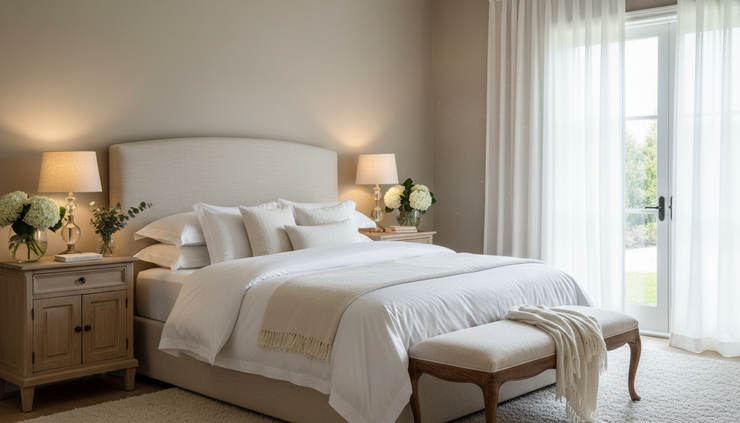
A bedroom may need calm and softness.
A kitchen may need freshness and light.
A dining room may need a touch of depth to feel elegant.
Color also helps connect one space to the next. This is especially useful in larger homes, where rooms can feel disconnected. A repeated accent color, such as earthy green, warm brass, soft blue, or natural linen, can create flow without making the design feel forced.

Sumptuoza Home Staging Education courses can help students move beyond guessing. Color decisions become easier when there is a method behind them. Students can learn how to read undertones, choose palettes that photograph well, and adjust color plans for different property types.
A useful staging color plan often considers:
The fixed finishes already in the home
The natural light in each room
The likely buyer profile
The condition and style of the architecture
The way photos will appear online
That last point matters. Most buyers meet a property through listing photos before they ever step inside. A color that looks cozy in person may read too dark on camera. A white that seems bright in a paint store may look cold in a north-facing room. Staging education helps connect design choices to real estate outcomes.
Furniture arrangement tells buyers how to live in the space
Furniture is more than decoration. It explains scale, movement, and purpose.
In Saving the Manor, large rooms often need furniture plans that make them feel human. A grand room can impress buyers, but if the seating floats without purpose or sits too far apart, the space can feel awkward. The right layout creates conversation areas, frames focal points, and gives buyers a sense of daily life.
A staged seating area might face a fireplace, a view, or a beautiful architectural feature. Chairs may angle slightly inward to offer welcome. A rug may anchor the arrangement so the furniture does not look scattered. Side tables and lamps add function, which helps the room feel complete.
Small rooms need just as much care. Oversized furniture can make them feel cramped. Too many small pieces can make them feel cluttered. The goal is to choose pieces that show the best possible use of the room without pretending it is something it is not.
Good furniture placement supports three things.
Flow
People should be able to move through a room easily. Walkways need to feel natural, not like an obstacle course.
Scale
The furniture should match the room’s size. A huge sectional may overwhelm a modest living room, while tiny chairs may look lost in a large parlor.
Focus
Every room needs a visual anchor. It may be a fireplace, bed, dining table, window, or styled bookshelf.
Sumptuoza Home Staging Education courses give structure to this process. Instead of relying only on instinct, students can learn room planning principles, staging priorities, and techniques for correcting difficult layouts. This is especially helpful in homes with unusual floor plans, historic additions, or open-concept spaces that need clear zones.
A room should not make buyers work hard to understand it. Furniture should quietly answer, “This is how this space can be used.”
Atmosphere comes from the details buyers remember
The most successful spaces in home transformation shows rarely feel like furniture showrooms. They feel finished. They have softness, texture, light, and signs of care.
That atmosphere comes from details.
A throw blanket folded over the arm of a chair.
Fresh greenery on a mantel.
A tray on an ottoman.
Books stacked near a reading lamp.
Two pillows that add contrast without shouting for attention.
These touches matter because they help a home feel alive without making it feel occupied by someone else. The line can be thin. Too many personal items distract buyers. Too few details make the room feel flat.
Saving the Manor offers inspiration here because manor-style spaces often need warmth. Large rooms, stone surfaces, tall ceilings, and formal layouts can feel distant. Soft textures and thoughtful accessories make them approachable.

Layering is the key. A staged room usually feels richer when it includes a mix of:
Smooth and textured surfaces
Soft and structured shapes
Warm and cool materials
Old and new pieces
Practical and decorative objects
Lighting plays a major role too. Natural light should be welcomed, not blocked. Lamps should create warmth in darker corners. Bulbs should be consistent so one room does not feel yellow while another feels blue-white.
Scent is another detail, though it should be used carefully. Clean, fresh, and subtle is better than strong. The goal is to make the home feel cared for, not perfumed.
The Sumptuoza Home Staging Education courses teach staging as a complete experience. That includes visual styling, buyer psychology, room function, and the small finishing choices that make listing photos feel more inviting. These are the skills that help a room move from “nice” to memorable.
Historic charm should be highlighted, not hidden
One of the reasons Saving the Manor is so engaging is the tension between preservation and change. Homes with history have features that newer properties often try to imitate: fireplaces, trim, staircases, built-ins, high ceilings, mature grounds, and unique room shapes.
Staging should celebrate those features.
If a room has a beautiful fireplace, the furniture should not ignore it. If the windows are the best feature, heavy treatments should not steal the light. If a staircase has character, the entry should be simple enough to let it shine.
At the same time, buyers need to see that an older home can support modern life. Staging bridges that gap. A traditional dining room may feel current with cleaner-lined chairs. A classic bedroom may feel lighter with simple bedding. A formal sitting room may become more useful with a reading area or music corner.
The best approach is respectful contrast. Keep what gives the home soul, then add elements that make it feel usable now.
Sumptuoza courses can help students practice this kind of judgment. It is easy to overcorrect a dated space and remove all its personality. It is just as easy to leave too much behind and make the home feel old-fashioned. Training helps stagers decide what to edit, what to feature, and what to soften.
What Saving the Manor teaches about buyer imagination
A staged home should guide imagination, not control it. This is one of the biggest lessons to take from transformation shows.
Buyers do not need every surface filled. They need cues. A dining table set simply says, “This is where people gather.” A bed with crisp layers says, “This room offers rest.” A bench near the entry says, “This home works for daily routines.”
The strongest staging choices are clear, not loud.
For real estate, that clarity can raise perceived value. A property that feels cared for often gives buyers more confidence. Clean lines, thoughtful layouts, and warm details suggest that the home has been maintained with attention. Even when staging does not change the structure, it can change the way buyers interpret the structure.
That is why staging is such a valuable skill. It combines design, psychology, real estate awareness, and practical problem-solving.
A Home staging course can help turn inspiration from shows like Saving the Manor into a repeatable process. Sumptuoza Home Staging Education courses are designed for people who want to understand not only what looks good, but why it works.
How Sumptuoza helps turn inspiration into skill
Watching a room transformation is exciting. Learning to create one is different.
A strong staging education helps students build the habits behind beautiful results. That may include how to assess a property, choose inventory, work with existing furniture, style shelves, plan color, prepare for photography, and communicate recommendations clearly.
Sumptuoza Home Staging Education courses support that kind of growth. The courses can help students develop a trained eye, build confidence, and understand the professional standards behind successful staging work.
The benefit is practical. Students can take ideas that feel intuitive on TV and learn how to apply them step by step.
For example:
How to make a dark room feel brighter without a full renovation
How to use furniture to make an awkward layout understandable
How to select art that supports a room instead of distracting from it
How to stage with restraint so buyers see the home first
How to create warmth in large or formal spaces
Those are the kinds of skills that matter whether someone wants to stage their own listing, support real estate clients, or build toward a staging business.
Bring the manor effect into any property
Most homes are not manors. That does not make the lessons less useful.
The “manor effect” is really about care, intention, and atmosphere. It means each room has a purpose. The color palette supports the architecture. Furniture fits the scale. Details feel warm but not personal. Buyers can imagine themselves there without feeling like they are entering someone else’s story.
That approach works in a two-bedroom condo, a new construction home, a family house in the suburbs, or a historic property with original charm.
The key is to stop seeing staging as surface decoration. Staging is a way of translating a property’s best qualities so buyers notice them faster.
For those ready to build that skill with more structure, explore the Sumptuoza Home Staging Education courses. The right training can help turn design interest into confident action, whether the goal is to improve a listing, support clients, or grow a staging career.
A beautiful transformation may start with inspiration from Saving the Manor, but the real value comes from knowing how to recreate that feeling, room by room, with purpose.


