Indiana Jones Inspired Home Staging Adventure Tips for Bold and Curious Spaces
- Aug 18
- 14 min read
A room can feel technically correct and still leave no one curious. The sofa is centered. The pillows match. The rug is the right size. Yet the space sits there, polite and forgettable, when it could spark the feeling of opening an old map and wondering what waits around the next corner.
That is where the adventurous spirit of Indiana Jones can teach home stagers something useful.
Not the chase scenes. Not the snakes. Not the ancient traps. The real lesson is atmosphere. Indiana Jones stories are built on discovery, texture, contrast, and clues. Every setting feels like it has a past and a purpose. A great staged home can do the same, without turning into a theme park or a movie set.
Adventure-inspired staging is about guiding the eye, creating emotional momentum, and making a buyer want to explore. It gives a room a sense of story while still letting the home remain the hero.

Why adventure belongs in home staging
Home staging works because people do not only buy square footage. They buy possibility. They imagine breakfast at the kitchen island, friends gathered in the living room, quiet mornings in the bedroom, and weekend projects in the backyard.
Adventure gives those possibilities more energy.
A staged room with a sense of exploration says, “There is more here.” It gives buyers a reason to move through the space rather than glance, nod, and leave. It makes the home memorable after a long day of showings, when many beige rooms blur together.
The trick is restraint. Indiana Jones-inspired staging should not mean whips on the wall, fake relics on every shelf, or a living room that looks like a movie prop warehouse. A buyer should feel a little thrill, not wonder whether the house comes with a costume.
Use the idea of adventure as a design lens:
Curiosity
Add details that make the eye pause.
Movement
Arrange rooms so people naturally explore them.
Texture
Use tactile materials that feel collected, grounded, and real.
Contrast
Mix polished and rugged elements.
Story
Suggest a lifestyle without overwhelming the space.
Done well, this approach works in many homes across the country, from a city condo to a desert ranch house to a suburban family home with a great reading nook.
Start with the map before styling the treasure
Indiana Jones rarely stumbles into adventure without a map, clue, or plan. Staging needs the same discipline.
Before bringing in bolder decor, walk the home like a buyer. Start at the curb or front door. Notice where the eye goes first. Notice where the path feels confusing. Notice which areas feel underused.
Ask a few simple questions:
Where should the journey begin?
What is the strongest feature in each room?
Where does the space lose energy?
Which corners feel like dead ends?
What should a buyer remember after leaving?
This “map” keeps adventurous staging from becoming random decoration. It helps every choice support the home.
Create a clear path through each room
A good adventure has forward motion. So does a good showing.
Furniture should make movement easy and intuitive. Buyers should not have to squeeze between a sofa and coffee table, step around oversized chairs, or guess how to enter a dining area.
In a living room, angle seating toward the best feature, such as a fireplace, view, built-in shelves, or large window. Leave enough space to walk around the conversation area. If the room is wide, create zones rather than pushing everything against the walls.
In a bedroom, make the bed the visual anchor. Use simple nightstands, balanced lighting, and a clear walkway. The room should feel restful, not crowded.
In an open-plan home, rugs can act like trail markers. One rug defines the living area. Another grounds the dining space. Lighting helps each zone feel intentional.
Turn awkward spaces into discoveries
Every home has a few odd corners. A recessed wall. An under-stair nook. A long hallway. A landing that seems to do nothing.
Those spaces are perfect for a small moment of exploration.
Try one of these ideas:
A compact reading chair with a floor lamp and small table
A slim console with a lamp, framed art, and a bowl for keys
A bench under a window with a folded throw
A small writing surface in a hallway alcove
A plant grouping that softens a hard corner
These moments make the home feel larger and more useful. They also give buyers little discoveries as they move from room to room.
Use color like a desert expedition
The Indiana Jones mood often begins with a grounded palette. Think sun-baked stone, worn leather, olive canvas, aged brass, bone, clay, charcoal, and deep wood tones.
These colors work well in staging because they feel warm, natural, and lived in. They add character without shouting.
A neutral home does not need to feel flat. Adventure-inspired neutrals have depth. Instead of plain beige, use sand, oatmeal, camel, tobacco, ivory, and warm gray. Instead of stark black, try softened charcoal or oil-rubbed bronze. Instead of bright white everywhere, layer cream and linen.
Build a palette with three layers
For a balanced room, work in layers.
Base color
Warm white walls
Greige sofa
Natural oak floor
Adventure accent
Leather, wood, or olive fabric
Rust or clay pillows
Woven rug or jute basket
Small spark
Brass, black iron, or amber glass
A small vintage-style tray
One dark framed print
This keeps the room cohesive. The base makes it broad enough for buyers. The adventure accent gives it personality. The small spark adds polish.
Avoid turning the home into a set
Too much theme can weaken staging. A room should not announce, “This is the jungle room,” or “This is the archaeology room.” Buyers need room to project their own lives.
Use hints rather than props.
Good choices include:
Woven baskets
Leather or leather-like accents
A vintage-style trunk
Brass lamps
Ceramic vessels
Botanical prints
Framed maps without specific branding
Natural wood
Canvas textures
Stoneware bowls
Use caution with:
Fake artifacts
Costume pieces
Overly distressed furniture
Heavy animal prints
Too many globes or maps
Anything that feels culturally insensitive or like a replica of sacred objects
Adventure can be worldly and respectful. Choose pieces for texture, craftsmanship, and mood, not for caricature.

Layer texture so the room feels collected
Adventure stories are tactile. You can almost feel the dust, stone, leather, paper, and rope. Home staging can borrow that sensory richness in a cleaner, buyer-friendly way.
Texture helps a staged home feel less sterile. It also photographs well, which matters because many buyers first meet a property through listing images.
The goal is to make each room feel collected, not cluttered.
Mix rough and refined materials
Indiana Jones style works because it balances rugged and polished elements. A weathered satchel looks better next to a crisp shirt. A dusty ruin feels more dramatic when a gold object catches the light.
In interiors, use the same contrast.
Try these pairings:
Smooth leather with nubby linen
Matte ceramic with shiny brass
Woven jute with polished wood
Crisp white bedding with a chunky throw
Sleek stone counters with warm cutting boards
Soft drapery with black metal rods
Contrast helps buyers notice quality. It also gives simple rooms more depth.
Use textiles to tell the story quietly
Textiles are the easiest way to add an adventurous feel without changing the house.
In the living room, layer pillows in earth tones, canvas textures, and one subtle pattern. Avoid a pile of tiny pillows that buyers have to move before sitting. Three to five well-chosen pillows often do more than ten random ones.
In the bedroom, keep bedding fresh and calm. Use white, cream, or soft taupe sheets and duvet covers, then add a textured throw in camel, rust, olive, or charcoal. The bed should feel like a well-earned rest after the expedition.
In dining spaces, try linen napkins, a woven runner, or wood chargers for a natural look. Keep the table setting simple enough that the architecture and flow still matter.
Let patina suggest history
A little patina can make a staged room feel rich. Aged wood, rubbed metal, worn leather, and hand-thrown ceramics hint at time and use.
But staging is not antiquing. Buyers should see charm, not neglect.
Use patina on removable decor, not on features that should feel maintained. A vintage trunk can be wonderful as a coffee table. Peeling paint on baseboards is a repair issue. A rubbed brass lamp adds warmth. Tarnished fixtures in a bathroom may read as outdated.
The line is simple: character belongs in the styling, care belongs in the condition of the home.
Treat every room like a chapter
A strong adventure has chapters. Each one has a different mood, yet all belong to the same story. A home should feel the same way.
Avoid staging every room with identical pillows, identical art, and the same bowl on every table. Repetition can make a property feel impersonal. Instead, create a subtle throughline.
Use a few repeated elements across the home:
Warm wood tones
Brass or black metal accents
Natural fiber rugs
Greenery
Earthy colors
Framed landscape or map-inspired art
Then give each room its own role.
The living room should feel like base camp
The living room is where people gather, plan, unwind, and connect. In adventure terms, it is base camp.
Make it comfortable and grounded. Use seating that encourages conversation. Add a coffee table with a few curated objects, such as a tray, a ceramic vessel, a small stack of books, and greenery.
A vintage-style trunk can work well in the right home, especially if the room has enough space. It adds storage and story. If the room is small, choose a lighter table with wood or metal details instead.
Keep shelves disciplined. Too many objects can look like clutter in photos. Leave breathing room around each piece. Mix vertical and horizontal shapes, such as books, bowls, framed art, and a plant.
The kitchen should feel ready for provisions
An Indiana Jones-inspired kitchen does not need props. It needs readiness.
Clear the counters first. Then add practical warmth:
A wood cutting board leaning against the backsplash
A bowl of citrus or green apples
A small potted herb
A linen towel
A ceramic crock with simple utensils
Warm under-cabinet lighting if already available
The kitchen should feel useful, clean, and welcoming. Buyers should imagine morning coffee, quick meals, and gatherings, not a staged still life they are afraid to touch.
For a more adventurous note, use natural materials. Stoneware, wood, linen, and glass beat plastic decor almost every time.
The bedroom should feel like a quiet tent under the stars
After danger, dust, and discovery, every explorer needs rest. The bedroom should bring the pace down.
Use symmetry around the bed. Add lamps that give warm, soft light. Keep nightstands simple. A book, small vase, and one tray are enough.
If the room can handle darker accents, bring in olive, charcoal, or deep brown through pillows or a bench. If it is small or lacks natural light, stay lighter and use texture instead of deep color.
The mood should be calm, not theatrical. Think canvas tent at sunset, not jungle movie scene.
The bathroom should feel like a hidden spring
Bathrooms sell best when they feel fresh. Adventure styling here should be subtle.
Use clean towels, a wood stool if space allows, amber glass soap dispensers, a small plant, and a simple tray. If the bathroom has stone, tile, or warm wood, let those finishes shine.
Avoid clutter around the sink. Personal products, loud packaging, and too many candles weaken the sense of escape.
A bathroom can feel like a private retreat with only a few choices. Clean lines, warm light, and natural textures do most of the work.

Use clues to pull buyers through the home
Adventure stories rely on clues. One clue leads to the next. Staging can use the same idea through visual rhythm.
A buyer enters the foyer and sees a warm lamp. Beyond it, a living room chair lines up with a fireplace. Past that, a glimpse of greenery leads toward the patio. These small visual cues create flow.
Frame the next destination
Stand in each doorway and look ahead. What does the next room promise?
If the view from the entry is a blank wall, add art or a console. If the hallway ends at a dark corner, add a lamp or mirror. If the kitchen opens to a patio, make sure the outdoor space looks inviting from inside.
A staged home should answer the buyer’s silent question: “Where do I go next?”
Use lighting as the torch
Lighting changes everything. Adventure without light is just a dark room.
Use layered lighting wherever possible:
Ambient light from ceiling fixtures
Task light from lamps
Accent light from sconces, picture lights, or under-cabinet lighting
Natural light from open curtains and clean windows
Warm bulbs often feel better in living areas and bedrooms. Avoid harsh, cold light that makes rooms feel clinical. Make sure bulbs in the same room match in color temperature.
During showings and photography, turn on lamps. They create pools of warmth and guide the eye. A lamp in a far corner can make a room feel bigger because it invites the buyer to notice the full depth of the space.
Create one memorable reveal
Every home deserves at least one “there it is” moment. It does not need to be dramatic. It just needs to be clear.
That reveal might be:
A reading nook at the top of the stairs
A dining table set under a sculptural light
A primary bedroom with layered bedding and a view
A patio with chairs, lanterns, and planters
A fireplace wall with balanced art and seating
A mudroom styled with baskets and hooks
Pick the home’s best moment and build toward it. Do not scatter all the energy at the front door. Let the showing unfold.
Bring the outside into the expedition
Indiana Jones stories rarely feel sealed off from the world. Sun, plants, stone, water, and weather all shape the mood. Staging benefits from the same connection to nature.
Natural elements make interiors feel alive. They also help a home feel regionally grounded without becoming too specific.
Use greenery with purpose
Plants are one of the best staging tools, but they need scale.
A tiny plant on a huge table can look accidental. A tall plant in an empty corner can transform the room. A trailing plant on a shelf can soften hard lines. Fresh branches in a vase can add height and movement.
Choose greenery that fits the home’s style and light. Faux plants can work if they look realistic and stay clean. Dusty plastic greenery defeats the purpose.
Good options for an adventure-inspired look include:
Olive trees
Snake plants
Ferns
Pothos
Rubber plants
Eucalyptus stems
Simple leafy branches
Use plants to suggest life, not to create a greenhouse.
Make outdoor spaces feel like the next chapter
Outdoor areas should never feel like an afterthought. Even a small balcony can become part of the story.
For a patio or deck, stage a clear use:
Two chairs and a small table for coffee
A dining setup for casual meals
A bench with pillows near a garden bed
Lanterns grouped near a seating area
Planters that frame the door
Keep outdoor staging clean and realistic. Cushions should look fresh. Furniture should fit the scale. The area should feel easy to maintain.
For a yard, create a focal point. A fire pit seating area, hammock, garden bench, or dining table can help buyers imagine how they would use the space.
Respect the region
Adventure-inspired staging should respond to the home’s setting.
A mountain home can handle heavier textures, wool throws, stone accents, and darker woods. A coastal property may call for lighter linens, driftwood tones, and woven shades. A desert home can lean into clay, leather, cactus, and mineral colors. A city apartment might use a sleeker version with brass, black metal, framed maps, and compact greenery.
The style should feel rooted, not pasted on.
Edit like a careful archaeologist
An archaeologist brushes away dust slowly because one careless move can damage the find. Staging needs the same patience.
Editing is where adventurous design becomes sellable design.
A room can have beautiful objects and still fail because there are too many of them. Buyers need negative space. Photos need clear lines. Surfaces need room to breathe.
Remove before you add
Before styling, remove anything that distracts from the home:
Personal photos
Extra small decor
Worn textiles
Duplicate furniture
Visible cords
Refrigerator magnets
Toiletries
Pet items during showings
Excess baskets or storage bins
Then add back only what supports the story.
This is where many bold rooms improve fast. The adventurous pieces gain power when they have space around them.
Keep scale under control
A bold trunk, large map, or oversized lamp can look fantastic if the room has the scale for it. In a tight room, the same piece can feel heavy.
Check scale from several angles. Look from the doorway, from seated height, and through the camera. Listing photos are unforgiving. If an item blocks a view, narrows a walkway, or dominates the room in photos, swap it for something lighter.
Adventure should not reduce function.
Make the home feel cared for
No amount of styling can hide deferred maintenance for long. Buyers notice scuffed walls, loose handles, stained grout, and tired caulk.
The adventurous mood works best against a clean, cared-for backdrop. Think of the home as the temple and staging as the torchlight. If the temple is crumbling, the torchlight will only reveal the cracks.
Before final styling, handle the basics:
Clean windows
Touch up paint
Replace burned-out bulbs
Tighten hardware
Clean grout
Remove odors
Repair visible damage
Wash or replace tired slipcovers
Steam wrinkled curtains
These tasks are not glamorous, but they protect the emotional effect.
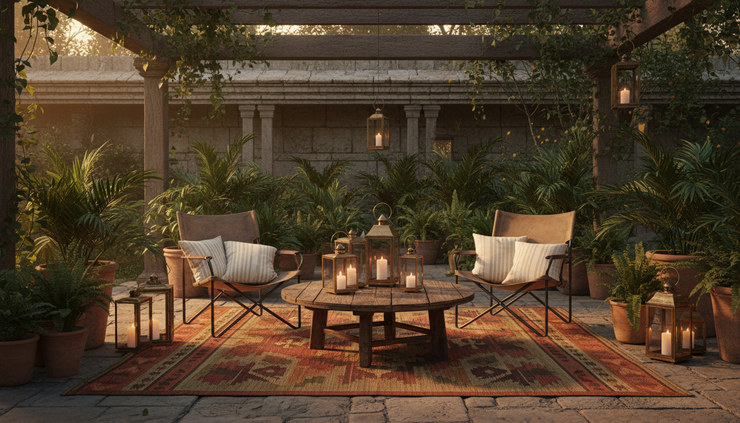
Try these adventure staging moves in real homes
A bold idea becomes useful when it works in ordinary rooms. Here are practical ways to bring the Indiana Jones mood into common spaces without overdoing it.
Give a plain living room more courage
If a living room feels flat, start with the anchors.
Use a larger rug with a natural texture. Add one warm leather or wood element. Replace tiny art with one larger piece that has depth, such as a landscape, architectural print, or map-inspired artwork. Add a plant with height.
Then edit the coffee table. Use a tray, one stack of books, one sculptural object, and greenery. Leave open space.
The room will feel more intentional without looking themed.
Make a small entry feel like a beginning
Very small entries can still set a mood.
Use a runner if the layout allows it. Add hooks or a slim console if practical. Hang one mirror or framed piece at eye level. Place a basket beneath for texture. Add a lamp if there is an outlet.
The entry should say, “Step in. There is more to see.”
Wake up a builder-grade kitchen
A neutral kitchen can gain character through warm, useful objects.
Clear almost everything first. Then add a wood board, a bowl of fruit, linen towels, and a small plant. If the island is large, use one substantial vase or bowl instead of several small items.
If the cabinets are cool white or gray, warm accents matter even more. Wood and brass can soften the look, but keep them simple.
Turn an extra room into a study for discovery
Bonus rooms often fail when they lack purpose. A spare room with random furniture feels like storage. Give it a role.
A discovery-inspired study can work beautifully:
A simple desk or writing table
A comfortable chair
A reading lamp
A framed map or landscape
Two or three books
A plant
A woven shade or textured curtains
This creates a lifestyle cue. Buyers can imagine reading, working, planning trips, or helping with homework. Keep the room flexible enough that it could also be a guest room or hobby space.
Make shelves feel curated, not crowded
Bookshelves invite adventure styling, but they can get busy fast.
Use fewer items than you think. Group objects in odd numbers. Mix books with ceramics, baskets, framed art, and greenery. Leave some shelves partly empty.
Turn some books horizontally and others vertically. Vary height. Repeat materials across the shelves, such as wood, brass, and cream ceramics.
Avoid lining up a row of travel souvenirs from end to end. That tells too much of one person’s story and leaves less room for the buyer.
Learn the craft behind the adventure
Creative staging looks effortless when it works, but it rests on solid principles: scale, balance, color, traffic flow, photography, buyer psychology, and room function.
That is where training helps. If this adventurous approach sparks ideas and you want to build stronger staging skills, explore the courses available at Sumptuoza. A structured course can help turn instinct into repeatable choices, whether the goal is to stage homes professionally or improve the way spaces come together.
The Indiana Jones spirit is a fun doorway into staging, but skill keeps the result polished.
The final artifact is a room buyers remember
Indiana Jones-inspired home staging is not about copying a movie. It is about borrowing the feeling of adventure: curiosity, movement, history, texture, and discovery.
A staged home should invite buyers to keep going. It should give them a reason to notice the entry, pause in the living room, imagine meals in the kitchen, relax in the bedroom, and step outside with interest.
Use the map before the treasure. Build a warm palette. Layer texture. Create clues from room to room. Let each space feel like a chapter. Edit with care.
The best staged rooms do not shout for attention. They draw people in, one thoughtful detail at a time, until the whole home feels like a place worth exploring.


