Small Town Potential and Home Staging Tips to Charm Buyers
- 2 days ago
- 10 min read
A small-town home rarely sells on square footage alone. It sells on the feeling of a front porch at dusk, the walk to the bakery, the built-in cabinet that has survived three generations, and the sense that life might slow down just enough to feel good again.
That is the appeal behind the TV show Small Town Potential. The show taps into something many buyers already feel: smaller communities can offer character, space, affordability, and a stronger sense of place. For sellers, that creates a powerful opportunity. The right staging can help buyers see not just a house, but a life they could enjoy.
Home staging works best when it respects the home and the town around it. A farmhouse, cottage, bungalow, or historic main-street property should not be staged like a blank luxury condo. Small-town homes often have quirks, warmth, and local flavor. Those features can become selling points when they are presented with care.
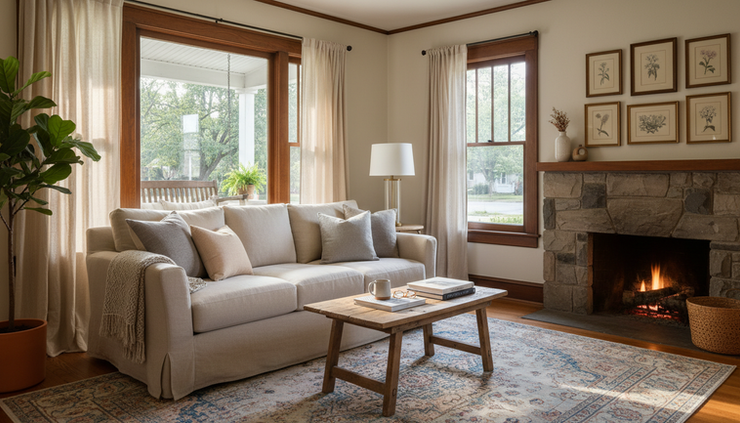
Why small-town homes feel so appealing on screen
The best home-renovation shows do more than reveal fresh paint and new countertops. They tell a story about place. Small Town Potential shows how older houses, walkable streets, local businesses, and scenic neighborhoods can shape the way a home feels.
Small towns often have what newer subdivisions try to recreate:
Mature trees and established streets
Homes with distinct architectural details
Porches, mudrooms, attics, barns, and bonus spaces
Local shops, parks, and community gathering spots
A slower rhythm that appeals to remote workers, families, retirees, and first-time buyers
The show’s appeal comes from possibility. A dated kitchen becomes a sunny gathering space. An unused room becomes a guest suite. A neglected porch becomes the best “room” in the house. Buyers watch and think, “I could live like that.”
That same emotional shift matters when a home goes on the market. Staging helps buyers connect the dots between what the home is now and what it could become.
For sellers who want to build those skills, online learning can help. Courses on layout, color, styling, and buyer psychology can sharpen the eye. A good starting point is exploring staging and design courses that focus on practical improvements you can apply room by room.
What small-town buyers are really looking for
Small-town buyers are not all the same. Some want a historic home near Main Street. Some want land, privacy, or a workshop. Some want a move-in-ready cottage with enough charm to feel special. Still, many share a few common hopes.
They want comfort without feeling cramped. They want character, but not chaos. They want charm, but not evidence of deferred maintenance. They want a home that feels authentic and livable.
That means staging should answer a few quiet questions:
Where would I drink coffee in the morning?
Where would guests gather?
Is there enough storage for real life?
Can old features work with modern furniture?
Does the home feel loved and cared for?
Small-town homes often have features that big-city buyers crave but do not always know how to use. A deep front porch, a formal dining room, a wide hallway, a walk-up attic, or a detached shed can feel like a mystery unless staging gives it a purpose.
A porch can become an outdoor sitting area. A small spare room can become a reading nook. A mudroom can show off practical country living. Staging turns “extra space” into “useful space.”
Stage the story of the home, not just the rooms
A common mistake is staging every home the same way. Neutral sofa. Generic art. White bedding. Bowl of lemons. Those choices are safe, but they can flatten the personality of a small-town property.
A better approach starts with the home’s strongest story.
Is it a cozy cottage close to local shops? Stage it for relaxed weekends and easy walks.
Is it a farmhouse on a larger lot? Highlight the kitchen, mudroom, porch, and outdoor dining.
Is it a Craftsman or older bungalow? Let the woodwork, built-ins, windows, and hearth lead the design.
Is it a compact starter home? Show smart storage, flexible rooms, and low-maintenance living.
The goal is not to create a movie set. The goal is to make the home’s best qualities easy to understand.
Use these cues to shape the story:
If the home has historic character
If the home has outdoor space
If the home is small
If the home feels dated
If the home has odd rooms
Keep the palette calm so original details stand out.
Stage one clear outdoor use, such as morning coffee or casual dining.
Use fewer, better-scaled pieces and leave clear walking paths.
Update lighting, textiles, and hardware before assuming major renovations are needed.
Give each space one simple purpose buyers can remember.
This is where training helps. Sellers and aspiring staging pros can find useful lessons through courses that build staging confidence, especially if they want to learn how to make design choices that support a sale.

Use charm carefully so it does not become clutter
Small-town homes can handle personality. In fact, they often need it. But charm becomes clutter when every shelf, wall, and tabletop is filled.
Buyers need space to imagine their own life. They should notice the arched doorway, beadboard ceiling, fireplace mantel, or wide-plank floors before they notice someone else’s collection.
A good rule is to keep meaningful character and remove excess distraction.
Keep:
A few local touches, such as landscape art or pottery
Simple books, baskets, and textiles
Clean-lined furniture that fits the room
One or two vintage pieces that match the age of the home
Fresh flowers or greenery when they feel natural
Remove:
Too many signs with words
Heavy window treatments that block light
Personal photos and diplomas
Bulky furniture that makes rooms feel smaller
Seasonal decor that dates the listing photos too quickly
If a house has beautiful old windows, do not hide them behind dark curtains. If it has a great fireplace, do not cover the mantel with small objects. If it has original floors, use rugs to frame seating areas without hiding every inch.
Small-town charm should feel collected, not crowded.
Make dated spaces feel cared for
Not every seller can renovate before listing. The good news is that buyers can forgive age more easily than neglect. A dated bathroom with spotless grout, fresh towels, good lighting, and a clean mirror feels far better than a newer bathroom that looks poorly maintained.
Focus first on the signs of care:
Clean baseboards, vents, fixtures, and windows
Touch up chipped paint
Replace burned-out bulbs with consistent light temperatures
Fix squeaky doors, loose knobs, and dripping faucets
Remove odors from pets, smoke, dampness, or old carpets
Power wash porches, steps, and siding where needed
Then add simple updates with strong visual impact.
Fresh cabinet hardware can lift an older kitchen. New lamps can warm a dark living room. Crisp bedding can make a basic bedroom feel restful. A new shower curtain, bath mat, and towels can change the whole mood of a bathroom.
These changes matter because buyers often read cleanliness as confidence. If the rooms look cared for, buyers are more likely to trust the home.
Highlight the features city buyers may not expect
Small-town homes can offer practical perks that deserve attention. Do not assume buyers will understand them on their own.
A wide driveway is useful for guests, hobbies, and multi-car households. A detached garage can double as a workshop. A basement may offer storage that apartment dwellers have never had. A mudroom can be a major selling point in climates with snow, rain, or muddy seasons.
Stage these areas with the same care as the living room.
For a mudroom, add hooks, a bench, baskets, and clean mats. For a shed or workshop, clear the floor and group tools neatly. For a laundry area, use simple shelving, folded towels, and good lighting. For a walk-in pantry, reduce the number of items and line up containers so the storage feels generous.
Outdoor spaces also deserve attention. Many buyers move to small towns for more contact with nature, gardening, pets, or relaxed entertaining. Even a modest yard can feel special when it has a clear purpose.
Show one strong outdoor scene:
A bistro table under a tree
Two Adirondack chairs near a fire pit
A tidy garden bed with fresh mulch
A porch swing with neutral pillows
A clean patio with planters and simple seating
The point is to suggest a lifestyle without overdoing it.

Let the town support the listing
The house is the main product, but the town is part of the value. Small Town Potential works because the setting matters. Viewers see streets, shops, landscapes, and local routines that make the home feel connected to something larger.
Sellers can borrow that idea without turning a listing into a travel brochure.
Before showings, make sure the route to the home looks as good as possible. Tidy the front walk. Add fresh house numbers. Sweep the porch. Trim shrubs that block windows. If the home is near a park, trail, school, downtown block, lake, or farmers market, make sure the listing description mentions it clearly and honestly.
Inside the home, small local references can help when used lightly. A framed landscape print, a bowl from a local maker, or a book about the region can add place-based warmth. The key is restraint. Buyers should feel the town’s character, not feel like they walked into a souvenir shop.
For buyers, this lens is helpful too. When touring a small-town home, look past surface style and ask how the property fits daily life. Is the street quiet? Is there storage for hobbies? Can rooms adapt over time? Does the home’s character feel like something you want to maintain?
A charming house is wonderful. A charming house in a town that fits your routine is even better.
Create rooms that photograph well and live well
Most buyers meet a home online before they visit in person. Photos need to be clean, bright, and easy to understand. Still, staging should not serve the camera only. The rooms also need to feel good during a showing.
Before photos, walk through the home with a phone camera. This simple step reveals what your eye may miss. Cords, crooked lampshades, crowded counters, wrinkled bedding, and dark corners stand out quickly on screen.
For better listing photos:
Open blinds and clean the glass
Turn on lamps, but keep lighting consistent
Remove small floor mats that break up the space
Clear most kitchen and bathroom counters
Use bedding that fits properly and hangs evenly
Angle chairs toward conversation, not toward walls
Keep artwork at natural eye level
Small rooms need special care. Use furniture that matches the scale of the room. A loveseat may work better than a full sofa. A round table may fit better than a rectangular one. A bed with a slim headboard may make a bedroom feel larger.
This is also a good time to learn from professionals. A structured Home staging course can teach how color, scale, light, and flow shape buyer perception. If that sounds useful, browse practical courses for staging skills and look for lessons you can apply before listing photos are taken.
Give every “extra” space a job
Older small-town homes often have rooms that do not match modern floor plans. There may be a pass-through room, enclosed porch, landing, attic nook, or small room without a closet. These spaces can hurt a sale if buyers see them as awkward.
Staging can solve that.
An enclosed porch can become a sunny reading room. A landing can hold a small writing table. A pass-through room can become a music corner, homework zone, or plant room. A finished attic can suggest guests, crafts, or quiet work.
Choose one purpose and make it obvious. Do not crowd the area with too many functions. A buyer should understand the room in three seconds.
For example, a small upstairs room might include:
A twin bed
A wall sconce or small lamp
A narrow nightstand
Light bedding
One piece of simple art
Now it reads as a guest room instead of a storage problem.
The same idea works for buyers who are watching shows like Small Town Potential for inspiration. A house may not check every box at first glance, but flexible rooms can add more value than expected when they are used well.

Keep renovations and staging in balance
TV shows make transformation look exciting, and it is. But sellers do not need to renovate every room to benefit from the small-town appeal. Spend where it supports the sale, not where it only follows a trend.
Good staging decisions often cost less than major updates and can reduce buyer hesitation.
Paint is one of the strongest tools. Warm whites, soft greiges, muted greens, pale blues, and earthy neutrals often suit older homes. These colors let original materials breathe while making rooms feel fresh.
Lighting is another high-impact choice. Replace fixtures that feel too heavy, too dim, or too specific to one taste. In older homes, lighting can make the difference between “dated” and “cozy.”
Furniture placement matters just as much. Pull pieces away from walls when possible. Create conversation areas. Keep traffic paths clear. Place mirrors where they reflect light, not clutter.
Sellers should also resist over-improving beyond the market. A small-town buyer may appreciate an updated kitchen, but that does not always mean the most expensive finishes. Clean, functional, warm, and well-presented often matter more than luxury.
The real lesson from Small Town Potential
The heart of Small Town Potential is not just renovation. It is recognition. The show recognizes that smaller communities can offer beauty, opportunity, and a strong sense of home. It also shows that houses with age and quirks can shine when someone sees what is possible.
That is the lesson sellers can use.
Do not erase the personality of a small-town home. Edit it. Clean it. Give each space a clear purpose. Let the porch, floors, windows, built-ins, yard, and neighborhood help tell the story. Buyers are not only comparing bedrooms and baths. They are asking whether a home feels like a better version of everyday life.
For buyers, the takeaway is just as useful. Look for homes with good bones, honest charm, and spaces that can adapt. A room that looks odd today may become the best corner of the house with the right plan.
If you want to improve your eye for staging, styling, and buyer-friendly design, explore the courses at Sumptuoza. A few sharper skills can help a small-town home feel more welcoming, more memorable, and more ready for its next chapter.


