Tiny House Nation Inspired Staging Tips for Welcoming Small Spaces
- 6 days ago
- 10 min read
A tiny home has no room for “almost right.” Every chair, shelf, light fixture, and throw pillow has to earn its place. That is exactly why Tiny House Nation has had such a lasting influence on the way people think about small-space design and staging.
The show did more than make tiny homes fun to watch. It helped normalize a clear idea: a small home can feel beautiful, personal, and highly livable when the space is planned with care. Viewers saw staircases that doubled as storage, tables that disappeared into walls, beds that lifted to reveal hidden compartments, and living rooms that worked as dining rooms, work zones, and guest spaces.
That mindset has shaped modern Home staging, especially for compact homes, studio apartments, ADUs, vacation cabins, and downsized living spaces. Instead of filling a room to prove its purpose, good staging now often does the opposite. It edits, clarifies, and creates breathing room.
For readers who want more structured guidance on staging principles, small-space styling, and real estate presentation, the resources at Sumptuoza courses are a useful place to continue learning.
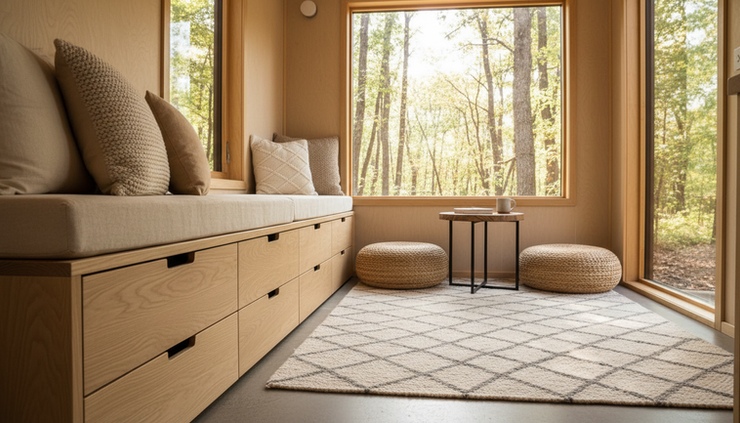
Why Tiny House Nation changed the staging conversation
Before tiny homes became a mainstream design topic, small spaces were often staged in one of two ways. They were either left too empty, which made them feel cold and impractical, or they were overfilled with small furniture, which made them feel cramped.
Tiny House Nation helped shift that thinking. The show presented small spaces as design challenges worth solving, not compromises to apologize for. It showed that a home under a tight square footage limit could still include comfort, style, storage, and personality.
That influence shows up in staging trends in several ways:
Smaller furniture with cleaner lines
Built-in storage used as a visual feature
Multi-functional rooms with clear zones
Neutral color palettes warmed by texture
Fewer decorative items, chosen with more intention
Vertical space used for both storage and display
A stronger focus on the emotional feeling of the home
The biggest lesson is simple. Small spaces sell better when they feel easy to live in. A buyer or guest should not have to guess where coats go, where the table opens, or how someone would relax at the end of the day. Staging answers those questions before they are asked.
This is one reason small-space staging has become more disciplined. It is less about decorating and more about showing a lifestyle that feels calm, efficient, and welcoming.
Minimalist design works because it creates clarity
Minimalism is one of the strongest ideas associated with tiny home living. But in staging, minimalism does not mean stripping a home down until it feels bare. It means removing visual noise so the best features become easier to see.
A tiny home may have beautiful wood floors, a clever loft, a wall of windows, or custom storage. Too many objects can hide those features. A minimalist approach lets them stand out.
Choose fewer pieces with stronger purpose
In a small home, one well-scaled sofa is better than a sofa, two chairs, an ottoman, and a side table squeezed into a corner. A fold-down dining surface may show more value than a traditional dining set. A slim bench with storage can do more than a decorative console.
When staging, ask one direct question about every item:
Does this help someone understand how the space works?
If the answer is no, remove it. Tiny homes reward restraint. Each selected item should support comfort, function, scale, or warmth.
Keep the color story calm
Color has a strong effect on how people read a room. In a tiny home, too many contrasting colors can chop the space into fragments. A more unified palette helps rooms feel connected.
Soft whites, warm grays, pale taupes, gentle greens, and natural wood tones often work well. They reflect light and create flow. Color can still appear, but it should feel intentional. A rust-colored pillow, a woven basket, or a muted blue throw can add depth without overwhelming the room.
Let negative space do some work
Empty space is useful. It gives the eye a place to rest and helps buyers understand circulation. A walkway beside a bed, a clear patch of floor near the entry, or an uncluttered countertop can make a tiny home feel larger than it is.
This is where the influence of Tiny House Nation becomes practical. The show often highlighted the “aha” moment when smart design made a small footprint feel generous. Staging can create that same feeling by leaving room for movement.

Efficient use of space should be obvious at first glance
Tiny homes depend on smart space planning. The same is true for staging them. A staged tiny home should communicate function quickly. If a visitor has to puzzle out how the bed, table, storage, or seating works, the staging needs refinement.
The goal is to make efficiency feel effortless.
Show how each zone is used
A small home often blends several functions into one room. Staging should define those functions without using heavy dividers or bulky furniture.
For example:
A small rug can mark a living area.
A pendant light can define a dining nook.
A wall-mounted shelf can suggest a work zone.
A bench and hooks can create a clear entry moment.
A floor cushion and lamp can turn a corner into a reading space.
These cues help people imagine daily life. They also prevent the home from feeling like one undefined box.
Use furniture that fits the scale
Tiny homes do not need dollhouse furniture, but they do need pieces with the right proportions. Bulky rolled arms, deep sectionals, oversized coffee tables, and tall dark cabinets can make a room feel tight.
Better choices include:
Armless chairs
Apartment-size sofas
Nesting tables
Wall-mounted desks
Slim benches
Backless stools
Beds with visible clearance or built-in drawers
A good piece should support the room instead of dominating it.
Highlight built-ins and hidden storage
One major reason viewers love tiny home shows is the reveal of clever storage. Hidden drawers, under-stair compartments, toe-kick storage, loft cabinets, and lift-up benches all create surprise and delight.
In staging, do not hide these features. Make them easy to notice.
Leave a drawer slightly open during a showing photo only if it looks natural and polished. Add a folded blanket inside a storage bench. Place attractive baskets on open shelving. Use matching bins sparingly so storage looks planned, not desperate.
The message should be clear: this small home has a place for real life.
For those building skill in this area, a Home staging course can help connect design choices to buyer perception, especially when space is limited.
Functionality and aesthetics need to work together
A tiny home can be efficient and still feel sterile. It can be beautiful and still feel impractical. Strong staging brings both sides together.
The best tiny home staging feels like a quiet promise. It says, “This space works, and it feels good to be here.”
Pick decor that serves the room
Decor matters in small spaces, but every item carries more visual weight. A large vase, a stack of books, a framed print, or a textured throw can shape the mood of the entire room.
Use decor to add:
Softness
Scale
Light
Warmth
A sense of daily ritual
A cutting board beside the sink, a ceramic mug near a reading chair, or a linen throw at the foot of a bed can make a home feel lived in without making it feel occupied.
Avoid filling every surface. Tiny homes look more expensive and more peaceful when surfaces have room around objects.
Use mirrors with care
Mirrors can help a small home feel brighter, but placement matters. A mirror that reflects a window can increase the sense of light. A mirror that reflects clutter, a bathroom door, or a tight corner can work against the room.
Choose simple frames that match the home’s style. In tiny homes, thin wood, matte black, brass, or frameless mirrors often work better than heavy ornate frames.
Layer textures instead of adding clutter
Texture is one of the best tools for making minimal spaces feel welcoming. It adds visual interest without requiring many objects.
Try layering:
Linen curtains
Cotton throws
Woven baskets
Wool or jute rugs
Wood trays
Ceramic dishes
Soft cushions
Matte metal hardware
These materials make a tiny home feel warm and tactile. That matters because buyers and guests often judge small spaces emotionally. They want to feel that downsizing would not mean losing comfort.

A welcoming atmosphere makes small spaces memorable
Function gets people interested. Atmosphere helps them remember the home.
A tiny home can have smart storage and well-scaled furniture, but if it feels cold, dark, or too staged, the emotional connection may be weak. A welcoming atmosphere helps people imagine waking up there, making coffee, reading by a window, hosting one close friend, or settling in after a long day.
Start at the entrance
The entry sets the tone. Even if the home has only a few square feet near the door, make that space feel intentional.
A strong tiny entry might include:
Two wall hooks
A narrow boot tray
A small washable rug
A slim shelf for keys
A mirror to bounce light
This tells visitors the home can handle daily routines. It also creates a moment of welcome before the main living area begins.
Use lighting to create comfort
Lighting can make or break a small-space staging plan. One harsh overhead light can flatten the room and make corners feel cramped. Layered lighting creates depth.
Use a mix of:
Natural light from uncovered or lightly dressed windows
Warm ceiling fixtures
Wall sconces near sleeping or seating areas
Under-cabinet lighting in kitchens
Small table lamps where surfaces allow
Warm bulbs often make tiny homes feel cozier. Keep cords hidden where possible. In a small home, visible clutter from cords can quickly disrupt the calm.
Add signs of hospitality
Welcoming does not mean personal. Avoid family photos, strong scents, and overly specific style choices. Instead, use universal signals of comfort.
Fresh towels in the bathroom, a clean dish towel in the kitchen, a small plant near a window, and a neatly made bed can do a lot. A tiny dining spot set for two can help people picture a pleasant meal without making the setting feel staged for a catalog.
The key is balance. The home should feel ready, not crowded.
Practical staging tips inspired by Tiny House Nation
The show’s biggest staging lesson is that every inch can be useful and beautiful. Here are practical ways to bring that idea into a real tiny home, ADU, studio, or compact listing.
Edit before adding anything
Start by removing items, not buying new ones. Clear all counters, floors, shelves, and corners. Then add back only the pieces that help explain the space or improve the mood.
A small home can go from charming to chaotic with only a few extra objects.
Stage storage as part of the tour
Storage is a selling point in tiny homes. Treat it like one.
Open a cabinet for photos only when it shows excellent organization. Use matching hangers in a small closet. Keep under-bed drawers tidy. Store only a few attractive items on visible shelves.
The goal is not to prove the home can hold everything. The goal is to show that storage is thoughtful and accessible.
Keep pathways clear
Tiny homes need comfortable movement. Avoid furniture that blocks doors, ladders, loft stairs, appliance access, or window views.
A person should be able to move from entry to kitchen to sleeping area without turning sideways or stepping around decor. Clear paths make the home feel more livable and safer.
Make the bed feel calm
Beds take up major visual space in tiny homes, especially lofted or built-in beds. Use simple bedding, tight styling, and layered texture.
A good formula is:
Smooth fitted sheet
Neutral duvet or coverlet
Two sleeping pillows
One or two accent pillows
A folded throw at the foot
Avoid piles of pillows. They can make the bed look smaller and less practical.
Keep the kitchen useful, not busy
A tiny kitchen should feel clean and ready to use. Clear most appliances from the counter. Display only a few useful items, such as a wood cutting board, a kettle, or a small bowl of fruit.
If open shelves are visible, use repeated shapes and colors. Too many different mugs, jars, and dishes can make shelves look messy.
Bring nature in lightly
Plants work well in tiny homes because they add life without much bulk. Choose one or two healthy plants that fit the lighting. A trailing plant on a high shelf or a small herb pot near a kitchen window can soften the space.
Do not overdo it. Too many plants can make a tiny home feel humid, crowded, or hard to maintain.

Common tiny home staging mistakes to avoid
Small-space staging is less forgiving than staging a larger home. A few missteps can change the whole feeling.
Mistake | Better choice |
Using too many small items | Use fewer pieces with stronger shape and purpose |
Choosing dark bulky furniture | Choose lighter, slimmer, raised-leg pieces |
Filling every shelf | Leave open space so storage feels generous |
Ignoring vertical space | Add hooks, shelves, and wall-mounted lighting |
Hiding functional features | Make built-ins and flexible furniture easy to understand |
Over-personalizing the decor | Keep the style warm, simple, and broadly appealing |
A tiny home should not feel like a storage puzzle. It should feel like a well-edited retreat.
How the Tiny House Nation effect reaches beyond tiny homes
The design ideas popularized by tiny home shows now influence many types of properties. Studio apartments, basement suites, guest cottages, small condos, and short-term rentals all benefit from the same principles.
The wider trend is clear. People want homes that feel lighter, smarter, and less wasteful. They want rooms that adapt. They want storage that makes sense. They want beauty without excess.
This shift has also changed what many buyers notice. A large room with poor function may feel less appealing than a small room that works beautifully. Staging now has to prove livability, not just style.
That is why the Tiny House Nation influence remains relevant. The show made efficient design feel aspirational. It showed that small spaces can still offer comfort, charm, and dignity.
If you are building staging skills or want to better understand how design choices affect how people experience a space, explore the learning options at https://www.sumptuoza.com/courses.
The small-space staging takeaway
Tiny home staging works best when it combines restraint, warmth, and clear function. The space should feel open, but not empty. Styled, but not cluttered. Efficient, but not cold.
The lasting impact of Tiny House Nation is the belief that small homes deserve big design thinking. Every inch matters, yet the goal is still emotional. A well-staged tiny home should make someone feel welcome the moment they step inside.
For more guidance on staging techniques, design presentation, and small-space styling, visit Sumptuoza’s course library and keep building a sharper eye for spaces that live beautifully at any size.


