Below Deck TV Show Inspired Home Staging Secrets for Luxury Interiors
Updated: Sep 3

A luxury yacht has only a few seconds to make guests feel like they have stepped into a private world. That same pressure exists when a buyer walks through the front door of a home for sale.
The reality TV show Below Deck is known for crew drama, coastal settings, and charter guests with sky-high expectations. Yet for design lovers, one of the most interesting parts of the show is the setting itself: polished interiors, layered textures, hotel-level presentation, and rooms that feel ready before anyone enters them.
That is where the connection to staging becomes surprisingly useful. Yacht interiors have to look beautiful, function flawlessly, and photograph well in tight spaces. Those are the same goals stagers work toward in homes, condos, vacation properties, and luxury listings across the country.
For aspiring stagers, studying this kind of visual storytelling is more than fun. It builds the eye. Sumptuoza Home Staging Education courses help turn that eye into a practical skill set, from choosing furniture scale to creating buyer-friendly rooms that feel elevated without feeling overdone.

Luxury staging starts with a clear first impression
On Below Deck, guests do not board a yacht and slowly discover whether the space feels special. The impression is immediate. The deck is spotless. The tables are set. Cushions are aligned. Flowers are fresh. Every surface suggests care.
A staged home needs the same sense of arrival.
The first impression does not have to be flashy. In most homes, it works best when it feels calm, clean, and intentional. A buyer should understand the property’s best features right away. Is the home bright? Spacious? Cozy? Great for entertaining? Designed for relaxed coastal living? Staging should answer that question before the buyer starts analyzing square footage.
Key details shape that first read:
A clear walkway from the entry
One strong focal point in the main living area
Lighting that makes the home feel warm, not dim
Furniture that fits the room, not the seller’s old habits
A lack of visual clutter near the door
This is one reason Sumptuoza Home Staging Education courses place so much value on room analysis. A beautiful sofa means little if it blocks the view, crowds the space, or distracts from a fireplace, window, staircase, or built-in feature.
Yacht design is a reminder that luxury often comes from discipline. Every item earns its place.
The Below Deck look relies on polished restraint
Luxury interiors on superyachts rarely feel random. Even when styles vary from yacht to yacht, the spaces tend to share a few design traits: symmetry, high-quality textures, gleaming surfaces, and a controlled color story.
That does not mean every home should look like a yacht. A suburban family home, city condo, and mountain retreat all need different staging choices. The useful lesson is restraint.
A staged property should feel designed, but still open enough for buyers to imagine themselves living there. Too many personal objects can make the home feel occupied by someone else. Too little warmth can make it feel cold. The sweet spot is polished but livable.
Think about the materials often seen in luxury yacht interiors:
Yacht-inspired element | Staging translation |
Glossy wood or lacquer | Clean furniture with a refined finish |
Crisp white linens | Fresh bedding, towels, and upholstery |
Reflective metal accents | Brushed brass, nickel, or chrome details |
Soft neutral palettes | Cream, sand, taupe, gray, and warm white |
Built-in lighting | Lamps, sconces, and layered ambient light |
A home can borrow this mood without copying it. For example, a beige sofa with textured ivory pillows, a glass coffee table, and a simple orchid can feel quietly expensive. Add too many nautical objects, and the room starts to look themed.
The best staging uses inspiration, not imitation.

Small spaces need yacht-level planning
Yachts are masters of compact luxury. Designers cannot waste an inch. Seating, storage, lighting, and traffic flow all have to work inside tight footprints.
That lesson matters in staging because many homes have at least one challenging space. It may be a narrow living room, small guest bedroom, awkward loft, tiny dining nook, or open-plan area with no clear zones.
Instead of seeing size as a weakness, stagers can treat it like a design puzzle.
A yacht-inspired approach asks:
Where should the eye travel first?
What furniture size keeps the room useful?
Could a round table improve flow?
Would a lower-profile sofa make the ceiling feel higher?
Can mirrors or reflective finishes bounce light?
Does every object help the room read clearly?
For example, a small bedroom should not be staged with bulky furniture just because the seller owns it. A slim upholstered bed, floating-style nightstands, soft bedding, and a pair of narrow lamps can make the room feel complete without making it feel cramped.
In a small dining area, a round pedestal table often works better than a rectangular one. It creates movement and softens tight architectural lines. This is the same logic that appears in yacht interiors, where curves, built-ins, and custom sizing help spaces feel smooth and functional.
Students in a Sumptuoza Home Staging Education program learn to think this way instead of simply decorating. The goal is not to fill a room. The goal is to make the room’s purpose clear and appealing.
Lighting creates the feeling of luxury
Watch the interior scenes on Below Deck and one thing becomes clear: luxury relies heavily on lighting. The glow from sconces, under-cabinet lights, table lamps, and evening deck lights turns polished rooms into inviting spaces.
Many unstaged homes rely too much on overhead lighting. That can flatten a room, cast harsh shadows, and make even good furniture look less appealing.
Staging works better with layers:
Ambient light
This is the general light in the room. It may come from ceiling fixtures, recessed lights, or natural daylight.
Task light
This helps a space feel useful. Think reading lamps, desk lamps, kitchen pendants, and bedside lights.
Accent light
This adds depth. Picture a lamp on a console table, soft lighting near artwork, or a small light in a built-in shelf.
In listing photos, layered lighting can help rooms feel warmer and more dimensional. During showings, it creates mood. A buyer may not consciously think, “This home has great accent lighting,” but they often feel the difference.
Yacht interiors also show how powerful reflective surfaces can be. A mirror across from a window, a glass lamp base, polished metal hardware, or a light stone tabletop can lift a room without adding clutter.
The key is balance. Too much shine can look cold. A mix of matte, soft, glossy, and natural textures feels richer.
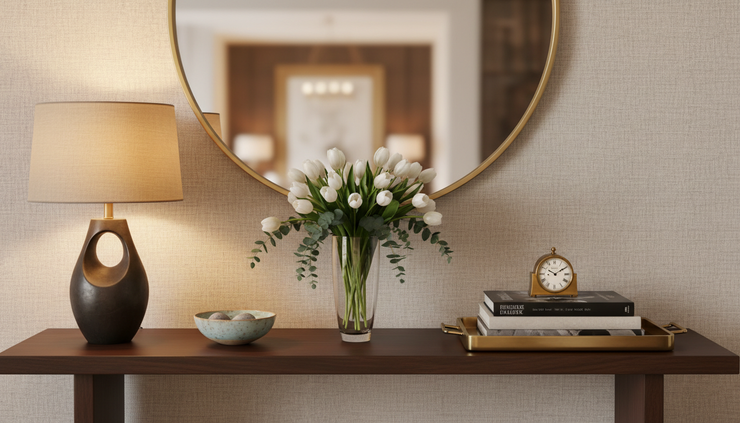
Tablescapes can sell a lifestyle without overacting
One of the signature pleasures of Below Deck is the tablescape. Theme nights may get dramatic, but the most elegant meals often have a simple formula: crisp linens, balanced place settings, low florals, glassware, and enough detail to feel special.
Staging can use the same approach, especially in dining rooms, kitchens, patios, and breakfast nooks.
A dining table should suggest possibility. It should help the buyer imagine a relaxed dinner, a holiday meal, or a quiet morning with coffee. It does not need to look like a banquet.
A strong staged table might include:
A runner or simple placemats
Two to six place settings, depending on table size
Low greenery or flowers
Neutral dishes with subtle texture
Glassware that catches light
One sculptural object or bowl
Avoid setting every table as if a large formal dinner is about to start. Overstaging can make a home feel artificial. A breakfast bar with two place settings and a bowl of citrus may do more for the room than a fully dressed table.
Outdoor areas also benefit from this yacht-style thinking. On Below Deck, exterior lounges often feel just as intentional as interior spaces. For a home listing, a patio with clean cushions, a tray, lanterns, and a few potted plants can expand the perceived living area.
That matters. Buyers are not only assessing rooms. They are assessing a future routine.
The best luxury staging feels service-ready
A yacht crew prepares the space before guests notice what they need. Towels are folded. Drinks are ready. Cabins are reset. The result is comfort that looks effortless.
This “service-ready” mindset can elevate staging in subtle ways.
In a bathroom, it might mean:
Fresh white towels
A simple tray with hand soap and a small vase
Clear counters
No visible personal products
A clean shower curtain or glass enclosure
In a bedroom, it might mean:
Smooth bedding with layered pillows
Nightstands with lamps and minimal accents
Closet floors cleared
Soft window treatments
A bench or chair if space allows
In a kitchen, it might mean:
Clear counters with one or two styled zones
A wooden board near the range
Fresh greenery
Matching dish towels
Organized open shelving, if visible
These choices make a home feel cared for. They also reduce buyer distraction. When a room looks messy or overly personal, buyers start thinking about chores. When it feels prepared, they focus on the home.
This is a major difference between decorating and staging. Decorating reflects the person who lives there. Staging supports the person who might buy it.
A strong Home staging course teaches that distinction early because it affects every decision, from artwork to throw pillows to what gets removed before photos.
Color should guide the mood, not shout for attention
The yacht interiors featured on Below Deck often use color in controlled ways. Neutrals create calm. Blue, green, coral, or gold may appear as accents, but they rarely take over the whole space.
That works well for staging because broad appeal matters. A strong wall color might be loved by one buyer and disliked by another. A neutral base gives the home more flexibility.
Neutral does not mean boring. The secret is variation.
Layer these tones:
Warm white
Cream
Sand
Mushroom
Charcoal
Soft gray
Natural wood
Muted blue or green
Texture keeps the palette alive. Linen, boucle, woven baskets, stone, ceramic, velvet, wool, and wood all add depth. In luxury interiors, texture often does more work than color.
For stagers, this is where education sharpens instinct. Sumptuoza Home Staging Education courses can help students understand why one neutral room feels flat while another feels expensive. Often, the difference comes down to undertones, contrast, scale, and texture.
A cream sofa against a cream wall may disappear. Add a walnut table, black picture frames, a nubby throw, and warm lighting, and the room suddenly has structure.
Buyer psychology is the real connection
The biggest connection between Below Deck and staging is not the nautical setting. It is psychology.
Charter guests expect an experience. They want to feel relaxed, impressed, and taken care of. Buyers are different, but they also respond emotionally before they justify logically.
A staged home should answer silent buyer questions:
Can I see myself here?
Does this home feel well maintained?
Is this room large enough?
Where would I entertain?
Does the home feel worth the price?
What lifestyle does this property offer?
Luxury yacht interiors answer those questions through presentation. Everything looks ready. Nothing feels neglected. The setting invites people to settle in.
Staging does the same for real estate. It frames a home so buyers can understand its value faster.
That does not mean every listing needs luxury furniture or costly accessories. It means every listing benefits from intention. Clean lines, right-sized pieces, fresh textiles, good lighting, and thoughtful editing can raise the perceived quality of almost any property.

How aspiring stagers can train the Below Deck eye
Watching beautiful interiors can spark ideas, but professional staging requires more than taste. Stagers need to read rooms, work within budgets, understand buyer profiles, plan inventory, and prepare spaces for photography and showings.
That is where structured training matters.
Sumptuoza Home Staging Education courses are relevant because they help aspiring stagers connect design choices to real staging goals. A room may be attractive, but does it photograph well? Does it make the layout clear? Does it support the likely buyer? Does it raise perceived value without overpersonalizing the space?
Those questions separate hobby decorating from professional staging.
A simple practice exercise is to watch a luxury interior scene, whether on Below Deck, in a boutique hotel tour, or in a design magazine video, and pause to study:
The first focal point your eye notices
The number of colors in the palette
How lighting is layered
Which textures repeat
What has been left out
How each zone suggests use
Then apply the same review to a real room. What would you remove? What would you add? Where does the eye get stuck? What would make the space feel more open, polished, or calm?
With training, inspiration becomes method.
Bring the yacht standard home
The most useful lesson from Below Deck is simple: presentation changes perception.
A yacht interior feels luxurious because it is edited, polished, comfortable, and ready. Great staging follows the same principles. It shows buyers the best version of a property without drowning the home in decor.
Use yacht-inspired staging through:
Clear first impressions
Right-sized furniture
Layered lighting
Crisp textiles
Neutral palettes with texture
Thoughtful tablescapes
Service-ready bathrooms, bedrooms, and kitchens
Outdoor spaces that feel like part of the living experience
For anyone who wants to build a career in staging, these details are worth studying. Better yet, they are worth practicing with guidance. Explore Sumptuoza Home Staging Education courses to learn how to turn design inspiration into staging decisions that help homes show beautifully.
Luxury is not always about more. Often, it is about care, clarity, and knowing exactly what to leave in the room.


