Home Staging Lessons Inspired by Star Wars Episode VI Return of the Jedi to Transform Any Space
- Aug 30
- 9 min read
Updated: 4 days ago

A memorable room works like a memorable movie scene. It has a clear purpose, a point of view, a mood, and a reason for people to care. Star Wars: Episode VI Return of the Jedi may take place in forests, palaces, starships, and throne rooms, but the design lessons behind those settings translate surprisingly well to real homes.
The film moves from cluttered danger to natural refuge, from cold power to warm celebration. That range is exactly what stagers face when preparing a property. Every space needs to tell buyers where they are, how they should feel, and why they should stay.
Home staging is not just decorating. It is visual storytelling with a sales goal. The best staged rooms help buyers understand scale, flow, function, and emotion within seconds. That is also why structured training matters. The Sumptuoza Home Staging Education courses offer practical ways to build that skill, from room planning to presentation, whether a space feels bland, crowded, awkward, or dated.

Start with a strong first impression like the opening act
Return of the Jedi does not begin with confusion. It sets a tone quickly. Viewers know the stakes, the setting, and the direction of the story. A home needs the same clarity the moment someone steps inside.
The entry should answer three questions without effort:
Where do I go next?
What kind of home is this?
Can I imagine arriving here every day?
That means the foyer, front door area, or first visible room should never feel like storage. Shoes, mail piles, bulky consoles, and too many wall hooks can make the home feel smaller before a buyer has seen the best features.
A strong entry usually needs:
A clean sightline into the home
One practical surface, such as a slim console or bench
A mirror or artwork that adds height
Lighting that feels warm but not dim
A simple scent, or no scent at all
Think of the entry as the first scene after the opening crawl. It should pull people forward.
The Sumptuoza Home Staging Education courses can help stagers sharpen this kind of first-impression thinking. Training makes it easier to see what buyers notice first, what distracts them, and what should be edited before photos or showings.
Edit clutter with the discipline of a rescue mission
Jabba’s palace is unforgettable because every corner feels loaded with visual noise, tension, and strange objects. That works for a movie villain’s lair. It does not work for a listing.
Many homes lose buyer interest because the rooms contain too many stories at once. Family photos, collectibles, oversized furniture, stacked trays, craft supplies, pet gear, and extra chairs all compete for attention. Buyers then focus on the current owner’s life instead of the home’s potential.
Editing is not removing personality until the space feels empty. It is choosing the details that support the sale.
A useful staging rule is to look at each room in layers:
Function
What is this room supposed to be?
Traffic flow
Can people move through it easily?
Focal point
What should the eye land on first?
Surface control
Are counters, tables, shelves, and mantels calm?
Emotional message
Does the space feel clean, cared for, and livable?
If a room has no clear answer to those questions, it needs editing before styling. Remove duplicate furniture. Clear most small items. Keep only pieces that help explain the room.
A dining room should not look like a paperwork zone. A guest room should not look like overflow storage. A living room should not need verbal explanation from the agent.
For new stagers, this is where a Home staging course can be useful. It gives the editing process structure, so choices feel less personal and more strategic.

Use Endor as a lesson in warmth, texture, and scale
The forest moon of Endor feels memorable because it has depth. Tall trees, natural texture, filtered light, and earthy tones create a grounded setting. In staging, those same qualities make a house feel more human.
Natural elements soften a room and help buyers connect emotionally. A space with only smooth surfaces can feel cold, even when it is clean. A staged room needs contrast.
Try adding texture through:
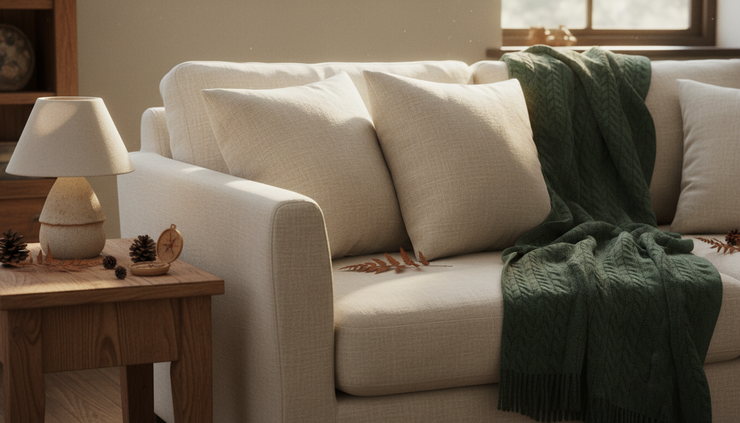
Linen or cotton pillows
Woven baskets
Wood side tables
Ceramic lamps
Soft throws
Jute or wool-style rugs
Greenery, used sparingly
Texture is especially helpful in newer homes with open floor plans, gray finishes, or builder-grade surfaces. It keeps neutral rooms from feeling flat.
Scale matters too. Endor feels grand because the setting makes the characters’ size clear. Rooms work the same way. If a sofa is too large, the room feels cramped. If a rug is too small, everything feels disconnected. If artwork hangs too high, the wall feels awkward.
Good staging helps buyers understand the room’s real proportions. A correctly sized rug can make a living room feel larger. A pair of nightstands can make a bedroom feel balanced. One large piece of art can do more than six tiny frames.
The Sumptuoza Home Staging Education courses are especially relevant here because scale and texture take practice. They are easier to learn with visual examples, room breakdowns, and repeatable methods.
Make every room choose a side
One of the clearest tensions in Return of the Jedi is the pull between light and dark. In a home, the staging version of that tension is usually confusion. A room tries to be too many things at once.
A spare bedroom is also a gym, office, storage room, and laundry sorting station. A breakfast nook is also a kids’ art center and package drop zone. A basement is part media room, part workshop, part forgotten furniture museum.
Buyers do not want to solve a puzzle during a showing. They want each space to have a clear purpose.
Before staging, assign every room one primary identity. If a room must suggest flexibility, show it with restraint. For example, a small bedroom can be staged as a guest room with a compact writing nook. That feels useful. A bed, treadmill, printer, toy chest, and five storage bins feel chaotic.
Clear identities also help listing photos. Online buyers scroll quickly. A room that photographs with one obvious purpose has a better chance of being remembered.
Use simple labels as you plan:
Bedroom
Living room
Kitchen
Dining area
Patio or deck
Restful, calm, soft, uncluttered
Conversation, comfort, balanced seating
Clean, bright, useful surfaces
Gathering, proportion, easy movement
Outdoor living, relaxation, seasonal appeal
The goal is not to create a fantasy. The goal is to make the home easy to understand.
Treat lighting like the throne room scene
The throne room scenes in Return of the Jedi use light and shadow to create drama. Staging also depends on lighting, though the goal is comfort rather than danger.
Bad lighting can make a great room feel dull. Harsh bulbs can make finishes look cheap. Dark corners can make a home feel smaller. Mixed bulb colors can make photos look uneven.
Every staged home needs layered lighting:
Ambient light from ceiling fixtures or natural daylight
Task light from lamps or under-cabinet fixtures
Accent light from sconces, picture lights, or soft decorative lamps
For showings, turn on every appropriate light. Open curtains and blinds unless the view hurts the presentation. Replace burned-out bulbs. Keep bulb temperatures consistent where possible.
Warm white light often works well in living rooms and bedrooms. Kitchens and bathrooms need enough brightness to feel clean. Basements need special attention because they can feel cold without lamps, rugs, and lighter textiles.
Lighting also shapes mood. A bedroom with only overhead light rarely feels restful. Add matching lamps, soft bedding, and simple art, and the same room can feel like a retreat.
The Sumptuoza Home Staging Education courses can help connect these details into a full-room plan. Lighting is not a finishing touch. It changes how buyers read color, size, cleanliness, and comfort.
Build a buyer journey through the home
A movie controls pacing. It knows when to reveal a threat, a quiet moment, a surprise, or a victory. A staged home should guide buyers in a similar way.
The sequence matters. If the best feature is visible from the entry, frame it. If the kitchen is the strongest selling point, make sure the path to it feels open and bright. If the backyard is a major asset, create a visual lead from inside to outside.
Buyer journey staging includes:
Clear walkways
Open doors where appropriate
Balanced furniture placement
Sightlines to windows, fireplaces, or outdoor spaces
Repeated colors that connect rooms
A sense of calm from one area to the next
Color repetition is one of the simplest ways to create flow. A soft green in the living room pillow can appear again in kitchen greenery, then in a bedroom throw. The repetition should feel subtle, not themed.
This is where the film-inspired idea becomes practical. The home should not look like a Star Wars set. It should borrow the storytelling discipline. Each room builds on the one before it.
A strong staged home has rhythm. The entry welcomes. The living area relaxes. The kitchen reassures. The bedroom calms. The outdoor area extends the dream.
Give awkward spaces a redemption arc
One of the emotional cores of Return of the Jedi is redemption. In staging, awkward spaces need that same chance.
Almost every home has one area that feels hard to explain:
A narrow landing
A windowless corner
A pass-through room
A tiny alcove
A low-ceiling basement area
A long hallway
An odd bonus space
Leaving these areas empty can make buyers see them as flaws. Overfilling them can make the problem worse. The solution is to give the space a believable use.
A narrow landing might become a reading moment with a small chair and wall light. A hallway can gain warmth with a runner and art. A tiny alcove can hold a floating shelf and stool. A basement corner can become a game table or simple lounge space.
The key is restraint. Do not force a grand purpose onto a small area. Show just enough function to remove doubt.
Awkward spaces also need good measurements. Furniture that is even a few inches too large can make a strange space feel unusable. Use lighter pieces, legs that show floor space, and wall-mounted options when possible.
Sumptuoza Home Staging Education courses can be valuable for learning how to solve these problem areas. A trained eye sees opportunity faster and avoids making small spaces feel crowded.

Keep the final celebration focused on the buyer
The ending of Return of the Jedi works because it releases tension. The conflict is over, the mood is warm, and the audience gets a clear emotional payoff. In staging, that payoff happens when buyers can picture their own life in the home.
That means the final layer should feel welcoming, not overly personal. Use signs of comfort, but avoid anything too specific.
Good final touches include:
Fresh folded towels in bathrooms
Clean bedding with layered pillows
A bowl of simple fruit in the kitchen
A tray on an outdoor table
A throw blanket on a lounge chair
Minimal greenery where it adds life
Skip anything that feels staged in a distracting way. Too many place settings, fake laptops, excessive candles, and themed decor can pull attention away from the home.
The strongest staging feels natural. It suggests a good life without scripting every detail.
What stagers can learn from cinematic storytelling
The connection between Return of the Jedi and staging is not about copying a movie aesthetic. It is about learning how spaces communicate.
The film uses setting to create emotion. Jabba’s palace feels heavy and crowded. Endor feels organic and alive. The throne room feels controlled and dramatic. The celebration feels warm and open.
Homes send similar signals. A crowded room feels stressful. A well-lit room feels cared for. A balanced room feels comfortable. A purposeful room feels larger.
Use these film-inspired principles as a staging checklist:
Create a clear opening moment
Make the entry clean, bright, and easy to read.
Edit visual noise
Remove anything that distracts from space, light, and function.
Add natural warmth
Use texture, wood tones, textiles, and greenery with restraint.
Clarify each room’s role
Tell buyers what the space is for without needing an explanation.
Control light and shadow
Layer lighting so the home feels bright, warm, and consistent.
Guide the journey
Arrange rooms so buyers move through the home with ease.
Redeem awkward areas
Give problem spaces a simple, believable purpose.
End with emotion
Let buyers imagine comfort, gathering, rest, and everyday life.
For anyone who wants to build these skills with more structure, explore the Sumptuoza Home Staging Education courses. The right training can turn instinct into a repeatable process, especially when staging different home styles across the country.
A great staged space does what a great movie scene does. It captures attention, removes confusion, and leaves people feeling something. When every room has purpose, flow, and warmth, buyers do not just see square footage. They see the next chapter of their lives.


