Is It Cake? TV Show Inspired Home Staging Lessons for Creative Design Masters
- Aug 28
- 8 min read
Updated: 4 days ago

A good staged room works a little like a great illusion. It guides the eye, creates a feeling, and makes people believe in a story the moment they walk in.
That is also why the Netflix show Is It Cake? is such a surprisingly useful source of inspiration for design professionals. On the surface, the show is about bakers making cakes that look like everyday objects. A handbag, a sneaker, a sewing machine, or a stack of pancakes might be cake. Or it might be the real thing. The fun comes from the tension between what viewers see and what is actually there.
For people who work in Home staging, that concept is more than entertainment. It is a lesson in observation, proportion, texture, detail, and emotional response. A room does not need to trick buyers, of course. It needs to help them understand the best version of a space. Still, the show’s “look closer” mindset can sharpen the way staging professionals think about every pillow, table setting, artwork choice, and sightline.

Why the concept of Is It Cake? connects with staging
Is It Cake? works because it turns ordinary objects into moments of surprise. The bakers study how real items behave. They notice wrinkles in fabric, shine on plastic, uneven color, stitching, scratches, shadows, and seams. Then they rebuild those details in cake, frosting, modeling chocolate, and edible paint.
That kind of close looking has real value in staging.
A staging professional also studies ordinary things, but with a different goal. Rather than copying an object, the stager builds an environment that feels believable, calm, and desirable. The best rooms do not look forced. They feel lived-in enough to be warm, yet polished enough to let buyers imagine a fresh start.
The show highlights three useful creative habits:
Study real life before styling the imitation
Cake artists succeed when they understand the real object first. Stagers succeed when they understand the real buyer experience first.
Respect the tiny details
A missing shadow, odd proportion, or wrong finish can break the illusion. In a room, a too-small rug or awkward lamp height can do the same.
Create an immediate reaction
The show makes viewers ask, “Is that real?” A staged room should make buyers think, “I can see myself here.”
That emotional shift matters. Staging is not just placing attractive furniture in a room. It is shaping perception.
The art of believable details
On Is It Cake?, the smallest details often decide whether a dessert passes as a real object. A cake that looks like a leather boot needs creases in the right places. A cake that looks like a tomato needs the right surface shine, subtle color variation, and a convincing stem. If one part feels off, the eye catches it.
Staging has the same problem.
A room can have expensive furniture and still feel unfinished if the details do not support the story. Think about an open house living room with a beautiful sofa, but flat pillows, harsh lighting, empty shelves, and art hung too high. The larger pieces may be correct, yet the room does not fully land.
Believable staging depends on layered detail:
Correct scale between furniture and room size
Natural traffic flow through the space
Textures that photograph well
Lighting that flatters rather than washes out
Accessories that suggest use without creating clutter
Color choices that connect one area to the next
This is where education makes a real difference. Creative instinct helps, but trained staging professionals know why certain choices work. A course through Sumptuoza Home Staging Education can help turn taste into a repeatable process, especially when lessons cover scale, focal points, color balance, styling, and buyer psychology.
A baker on Is It Cake? does not simply hope a cake looks like a suitcase. They plan the structure, study the object, choose the right materials, test the finish, and refine the final presentation. Staging deserves the same level of discipline.
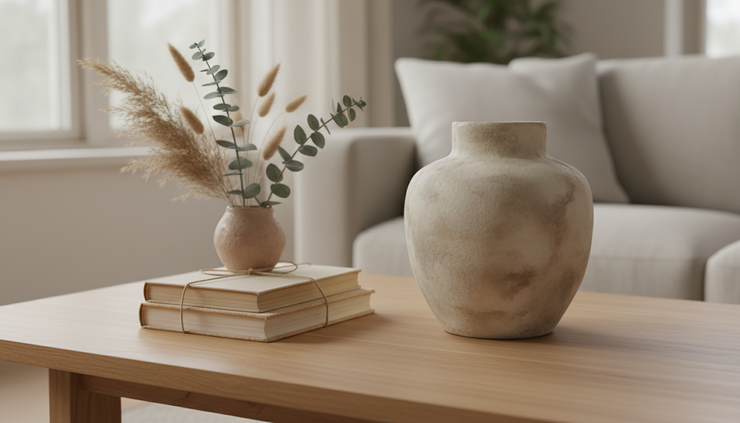
Texture is a powerful staging tool
The show’s bakers spend a lot of time recreating texture because texture tells the brain what an object is. Smooth fondant becomes plastic. Brushed edible paint becomes metal. A rough crumb coat might become stone, bark, or fabric once the artist adds the right finish.
In staging, texture also shapes how a room feels. A space with only smooth surfaces can feel cold. A room with too many busy textures can feel heavy. The goal is balance.
A strong staging plan often uses texture in layers:
Soft textiles
Natural elements
Reflective finishes
Matte surfaces
Pillows, throws, bedding, and curtains add warmth.
Wood, stone, greenery, woven baskets, and ceramics add grounding.
Mirrors, glass, and metal accents bounce light and create polish.
Linen, plaster-like finishes, and simple pottery calm the eye.
The lesson from Is It Cake? is not to overdo the effect. The best cake illusions work because the texture fits the object. The same is true in staging. A sleek downtown condo may call for smooth finishes, clean lines, and restrained accessories. A suburban family home may feel stronger with soft seating, layered bedding, and warm wood tones.
Education helps professionals make these calls with confidence. Sumptuoza Home Staging Education can support that growth through training that strengthens visual decision-making. A good Home staging course gives structure to the creative process, so each room can be styled for its market, architecture, price point, and buyer expectations.
Proportion can make or break the illusion
One of the hardest parts of edible realism is proportion. A cake sneaker that is too wide or a cake handbag with a handle that sits too high will instantly feel wrong. Viewers may not know why, but they sense the mistake.
Rooms work the same way.
A common staging challenge is using furniture that is technically attractive but wrong for the space. A sectional might crowd a small room. A tiny dining table might make a large dining area feel awkward. A low bed in a room with tall ceilings might look underwhelming in listing photos.
Proportion affects how buyers read a property. It can make rooms feel larger, smarter, and easier to use. It can also expose flaws if handled poorly.
Stagers can borrow this mindset from the show:
Step back before changing anything
Cake artists look at their work from the judging distance. Stagers should do the same from the doorway, hallway, and camera lens.
Compare every piece to its surroundings
A lamp is not just a lamp. It relates to the side table, sofa arm, art height, ceiling height, and window placement.
Test the silhouette
Before focusing on accessories, look at the main shapes in the room. The outline should feel balanced.
Use photos as a truth check
Listing photos often reveal proportion problems that the eye forgives in person.
Sumptuoza Home Staging Education is especially helpful here because proportion is learnable. Many new stagers rely on trial and error. Training can shorten that path by teaching room planning, furniture placement, photo-readiness, and the practical reasons behind design choices.

Editing is part of the magic
On Is It Cake?, the bakers do not show every technique at once. They focus on what will sell the illusion. Too much decoration can make an object look less real. A cake that is overworked may begin to look like a cake again.
Staging has a similar rule. More items do not always create a stronger room.
Editing is one of the most valuable skills in staging. It helps a space feel clean, open, and purposeful. The goal is not to strip away personality until the home feels empty. The goal is to remove anything that distracts from the room’s strengths.
Good editing asks questions like these:
What is the main feature of this room?
Where should the eye go first?
Does this accessory support the story?
Is the color palette helping the flow?
Does the furniture layout make the room feel easy to use?
Will this choice photograph well online?
A cake artist may spend hours perfecting one seam because that seam convinces the viewer. A stager may remove five accessories because one beautiful object on a console does the job better.
This is a skill that grows through feedback and practice. Courses from Sumptuoza Home Staging Education can help students learn how to evaluate rooms with a trained eye. That kind of instruction is valuable because editing can feel personal at first. Education turns it into a method.
Creativity needs skill to become dependable
The most memorable competitors on Is It Cake? have imagination, but imagination alone does not carry them. They also understand structure, materials, timing, tools, and presentation. Their creativity becomes impressive because it is supported by craft.
The same is true for staging professionals.
A beautiful eye is a gift, but professional staging also requires:
Understanding buyer behavior
Reading architectural features
Planning furniture layouts
Working with color temperature and lighting
Styling for photography
Managing inventory
Communicating with clients
Pricing and packaging services
Working efficiently under real project timelines
This is why education matters. It builds a bridge between inspiration and execution.
Watching a show like Is It Cake? can spark new ideas. It can encourage playful thinking, closer observation, and more daring styling choices. Formal training helps turn those sparks into service quality. Sumptuoza Home Staging Education offers a place to build that foundation, whether the goal is to start a staging business, refine existing skills, or gain more confidence in the design process.
How to use the show as a creative exercise
The next time an episode of Is It Cake? is on, watch it through a staging lens. Pause before the reveal and ask why one object looks real while another seems slightly off. Look at the shadows. Notice the colors. Study the edges. Pay attention to the finish.
Then apply the same thinking to a room.
Choose one space and ask:
What is the first thing the eye notices?
Does the room have one clear focal point?
Do the textures feel balanced?
Are the proportions believable?
What detail feels unfinished?
What could be removed?
What small change would make the whole room feel more complete?
This exercise works because it trains perception. Staging is not only about having access to attractive furniture and decor. It is about seeing what others miss.

Learning keeps creative work fresh
The strongest design professionals stay curious. They collect ideas from homes, hotels, restaurants, art, nature, film, and yes, even cake competitions. Inspiration can come from almost anywhere, but progress comes from learning how to apply it.
That is the real lesson from Is It Cake? for staging professionals. Illusion works when skill supports creativity. A room becomes persuasive when every detail, from the sofa scale to the bedside lamp, works together.
Sumptuoza Home Staging Education can help turn that creative curiosity into practical skill. Courses can support the fundamentals, sharpen styling decisions, and give structure to the business side of staging. For professionals who want to grow beyond instinct, that education is a smart next step.
Explore the available training options through Sumptuoza Home Staging Education courses and choose the path that fits your next stage of growth.
A cake that looks like a handbag makes people stop and look twice. A well-staged home does something even more useful. It helps people see the full potential of a space, and that is a craft worth mastering.


