The Masked Singer TV Show Inspired Home Staging Secrets for Selling Homes with Mystery and Style
- Aug 27
- 9 min read
Updated: 4 days ago

A great home showing feels a little like a reveal night on The Masked Singer. At first, buyers do not know the full story. They step inside, read the clues, form an emotional guess, and imagine what life could look like there.
That sense of discovery matters.
On the show, a costume is never just a costume. It creates curiosity. It hides the obvious. It invites people to look closer. Strong property presentation works in a similar way. It does not overwhelm buyers with personal details. It gives them just enough beauty, function, and mood to picture themselves in the space.
That is where Home staging becomes more than furniture placement. It becomes storytelling.
For aspiring stagers, this is also where training makes a difference. Sumptuoza Home Staging Education courses help students learn how to shape rooms with intention, understand buyer psychology, and build staging plans that support the sale rather than simply decorate the home.

Why a Little Mystery Helps Buyers Lean In
Mystery creates attention. On The Masked Singer, viewers keep watching because they want to know who is behind the mask. They notice clues, voices, movement, costumes, and stage design.
In real estate, mystery should never mean confusion. Buyers need clarity. They need to understand the purpose of every room. Yet a staged home can still include small moments of curiosity that make people slow down.
Think of it as controlled discovery.
A buyer walks into the entry and sees a slim console table, a ceramic bowl for keys, a textured runner, and a mirror catching the light. Nothing shouts. Nothing feels random. Still, the space suggests a life. Someone comes home here. Someone drops their keys, takes off their shoes, and exhales.
That is a clue.
The same idea can work throughout the home:
A reading chair near a window hints at slow Sunday mornings.
A tray with two mugs makes a breakfast nook feel used, but not personal.
A folded throw at the foot of a bed suggests rest without making the room feel lived-in.
A small art moment at the end of a hallway pulls buyers forward.
Sumptuoza Home Staging Education courses teach these choices as part of a larger staging strategy. The goal is not to fill a room with pretty things. The goal is to guide the buyer's eye, reduce friction, and help the home make sense quickly.
That matters because buyers often decide how they feel about a property fast. Good staging gives them fewer reasons to hesitate.
What Home Stagers Can Learn from The Masked Singer
The show succeeds because every detail has a job. The costume, lighting, music, clues, and reveal all work together. Home staging can borrow that same layered thinking.
Create a strong first impression before the reveal
On the show, the first look matters. Before a singer performs one note, the costume sets a mood.
Homes work the same way. The reveal begins at the curb, then continues through the front door. A stager can shape that experience with simple choices:
Clean walkways and visible house numbers
Fresh mulch or neat planters
A polished front door
A bright entryway
One clear focal point as buyers step inside
The first room should answer a silent question: “What kind of life does this home offer?”
A cramped entry can feel more open with a narrow table and mirror. A dark foyer can improve with warmer bulbs and lighter accessories. These are not huge changes, but they shift the first impression.
Students in a Sumptuoza Home Staging Education program learn how to evaluate these first moments with a trained eye. That skill helps stagers move beyond taste and into strategy.
Use clues instead of personal stories
A masked singer gives clues, but not the full identity. That balance keeps viewers engaged.
A staged home should also give clues without revealing too much about the current owner. Family photos, strong personal collections, and highly specific décor can make buyers feel like guests in someone else’s home.
Staging softens that effect.
Instead of showing the seller's story, the room should suggest a possible buyer story. A guest room might become a calm home retreat. A small spare room might show as a nursery, craft room, or simple workspace depending on the likely buyer pool. A dining table set with clean, simple place settings can suggest hosting without feeling theatrical.
The best clues are broad enough for many buyers to connect with.
Let creativity solve awkward spaces
Every season of The Masked Singer includes costumes that seem impossible at first glance. Somehow, they still allow movement, performance, and personality.
Homes have their own awkward challenges:
Long narrow living rooms
Odd corners
Tiny bedrooms
Open areas with no clear purpose
Basements that feel disconnected from the rest of the house
This is where creativity earns its keep.
A narrow living room might need floating furniture instead of everything pushed to the walls. An empty landing might become a small reading spot. A finished basement might need zones for relaxing, games, and storage rather than one vague open space.
Aspiring stagers often struggle with these rooms because there is no single rule that works every time. A strong Home staging course can help them practice layout decisions, scale, traffic flow, and buyer-focused design. Sumptuoza Home Staging Education courses are built around this kind of practical thinking, which is valuable for anyone who wants to stage with confidence.

The Stagecraft Behind a Memorable Showing
Television stage design is built for the camera. Home staging is built for real people walking through real rooms. Still, both depend on mood, rhythm, and focus.
A home should not feel like a furniture showroom. It should feel like a place buyers can enter, understand, and remember.
Lighting sets the emotional tone
Lighting changes everything. On The Masked Singer, dramatic lighting creates suspense and energy. In a home, lighting should create warmth, openness, and comfort.
Good staging often layers three kinds of light:
Ambient light
Task light
Accent light
General light from ceiling fixtures, recessed lights, or natural daylight
Lamps near seating, beds, desks, or kitchen work areas
Smaller light sources that highlight art, shelves, texture, or architectural details
A dim room can feel smaller than it is. A room with only one overhead light can feel flat. Lamps, clean windows, lighter window treatments, and consistent bulb temperatures can make a space feel more inviting.
Sumptuoza Home Staging Education courses often appeal to aspiring stagers because these details are teachable. Students can learn why a room feels off and how to correct it without guessing.
Color creates the costume of the room
A masked singer’s costume tells the audience what kind of character to expect. A room’s color palette does the same.
For selling, the safest palettes often use warm neutrals, soft whites, gentle contrast, and texture. That does not mean a staged home has to be bland. It means color needs purpose.
A deep green pillow can make a cream sofa feel richer. A black-framed mirror can sharpen a beige entryway. Pale blue bedding can make a bedroom feel clean and restful. The trick is to create interest without making the buyer focus only on the décor.
If the house has dated finishes, color can help bridge the gap. For example, warm wood cabinets may feel more current when paired with simple white accessories, matte black accents, and fresh greenery. A stager does not erase the home’s features. The stager helps buyers see them in the best light.
Pacing helps buyers remember the home
A performance has highs, softer moments, and a final reveal. A showing has pacing too.
If every room has the same intensity, nothing stands out. If every room is empty, buyers may struggle to remember the property. The stager’s job is to create a natural flow.
A strong showing might move like this:
A welcoming entry
A bright living area
A clear dining or gathering space
A calm primary bedroom
A memorable outdoor or bonus area
Each space should support the next. Buyers should not have to work hard to understand where to sit, eat, sleep, relax, or entertain.

Why Staging Matters So Much in Real Estate
Staging helps buyers interpret space. That is the simplest reason it matters.
Many buyers struggle to judge scale in an empty room. They may wonder if a sofa fits, where the bed should go, or whether the dining area is large enough. Staging answers those questions visually.
It also helps soften flaws. A small room can feel useful with the right furniture scale. A plain room can feel warm with texture and light. An open layout can feel more functional when divided into clear zones.
Good staging can support several goals:
Help listing photos stand out
Make rooms easier to understand
Reduce distractions from the seller’s personal life
Highlight the best architectural features
Create emotional connection during showings
Help buyers remember the property after touring several homes
None of this means staging can fix every issue. It cannot change location, square footage, or major repairs. It can, though, improve how buyers experience the home.
That experience often affects appeal.
A buyer may not say, “I love the staging.” They may say, “This house feels right.” That feeling is powerful.
For people who want to enter the field, Sumptuoza Home Staging Education courses can help turn natural design interest into a more complete service. Good stagers need more than taste. They need to understand real estate goals, buyer behavior, inventory choices, consultations, occupied homes, vacant homes, and how to communicate recommendations clearly.
Turning Mystery into Marketable Style
Mystery in staging should feel elegant, not gimmicky. The goal is not to make a house look like a television set. The goal is to borrow the show’s best creative lessons and apply them with restraint.
Choose one memorable moment
Every staged home benefits from one or two memorable moments. These are the spaces buyers talk about later.
Maybe it is a breakfast nook with morning light. Maybe it is a cozy patio with two chairs and a planter. Maybe it is a primary bedroom that feels calm and high-end.
The memorable moment should match the home. A small condo might not need dramatic styling. It might need clever storage, clean surfaces, and a small dining setup that proves the layout works. A larger suburban home might need a family room that shows comfort and scale.
The mask-inspired idea is simple: give buyers something to wonder about, then let the room answer beautifully.
Edit out anything that breaks the spell
On a performance show, one wrong detail can pull viewers out of the moment. In a home, common distractions can do the same.
Watch for:
Too many small accessories
Personal photos
Visible cords
Overfilled closets
Pet items during showings
Strong scents
Furniture that blocks walkways
Décor that feels too seasonal or too specific
Editing is often harder than adding. It takes discipline to remove items that the seller may love but buyers do not need to see.
This is another area where training helps. Sumptuoza Home Staging Education courses can give aspiring stagers a framework for explaining edits kindly and professionally. That skill matters because staging often involves people’s homes, memories, and emotions.
Use restraint with theme
A post inspired by The Masked Singer might tempt someone to scatter masks, feathers, and dramatic props everywhere. That would be too much for a listing.
Theme works best as inspiration, not decoration.
Use the concept behind the show:
Mystery
Transformation
Reveal
Creativity
Clues
Strong first impressions
A single sculptural object on a console can work. A bold art piece over a fireplace can work. A layered entry that makes buyers curious about the rest of the home can work. The theme should guide the staging choices, not take over the house.
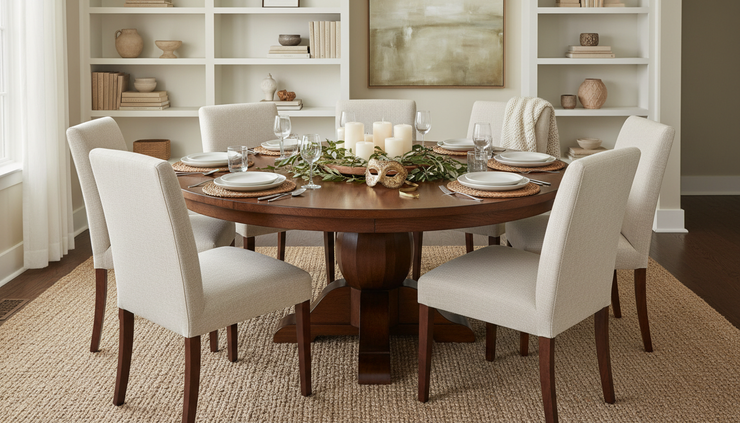
How Aspiring Home Stagers Can Build the Skill
Creativity is a gift, but professional staging also requires method. A working stager needs to know how to walk through a property, spot buyer objections, create a plan, and choose changes that support the sale.
That mix of creativity and structure is what makes the field so rewarding.
A strong staging education can help with:
Understanding how buyers read rooms
Selecting furniture and accessories by scale
Working with color and light
Staging occupied homes with existing pieces
Planning vacant home setups
Creating consultation reports
Communicating with sellers and real estate agents
Building confidence before taking on paid projects
Sumptuoza Home Staging Education courses are designed for people who want to develop these skills in a focused way. They can help aspiring stagers move from “I know what looks good” to “I know why this works for this property and this buyer.”
That difference is professional growth.
It also protects the stager from relying only on trends. Trends change. Buyer psychology, clear room function, strong flow, and emotional connection stay relevant.
The Final Reveal Is Buyer Confidence
The magic of The Masked Singer is not only the costume. It is the reveal. The audience feels rewarded for paying attention.
A well-staged home should create a similar sense of clarity. Buyers arrive with questions. Can I live here? Will my furniture fit? Does this home feel cared for? Can I picture my routines here?
Room by room, staging answers those questions.
The mystery draws them in. The creativity holds their attention. The style gives the home a stronger presence. The final reveal is not a celebrity under a mask. It is the buyer seeing the property as a place they can call home.
For aspiring stagers, that is a skill worth learning with care. Explore the Sumptuoza Home Staging Education courses to build the creative, practical, and client-ready skills that help homes show beautifully.
Great staging does not shout for attention. It invites buyers to look closer, stay longer, and imagine more.


